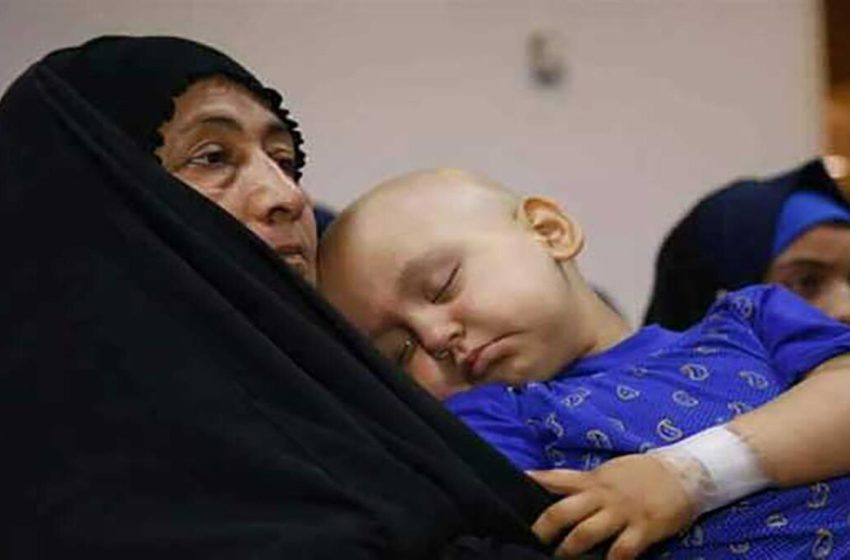
Cancer rates in Iraq have risen sharply in recent years, raising serious public health concerns across the country. Environmental pollution, rapid urban overcrowding, shrinking green spaces, and Iraq’s high vulnerability to climate change are widely cited as key factors behind this increase.
According to 2025 statistics from oncology centers in Iraqi provinces, cancer cases have reached worrying levels. The Kurdistan Region recorded 10,500 cases, Dhi Qar registered 10,000 cumulative cases, while Anbar reported 6,000 cases, highlighting the nationwide spread of the disease.
Data from 2024 shows that Iraq recorded 46,320 cancer cases, with Nineveh province topping the list at 3,234 registered cases, making it the most affected governorate in terms of total infections. This reflects the combined impact of environmental exposure and population density in major urban areas.
The capital Baghdad bore the heaviest burden in terms of fatalities, recording 3,763 cancer-related deaths in 2024, the highest in the country. Health experts link this to severe air pollution, traffic congestion, and limited access to green and recreational spaces.
Medical data also indicates clear patterns in cancer types across genders. Among men, respiratory system and prostate cancers are the most common, while breast and thyroid cancers are the most prevalent among women, underscoring the need for targeted screening and early detection programs.