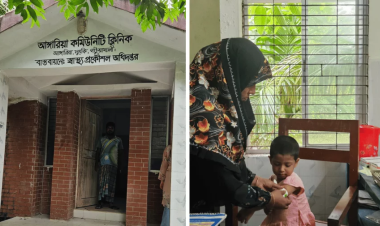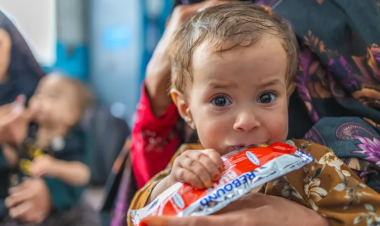

Integrated into BISP, the Benazir Nashonuma Programme delivers nutrition and health services to the most vulnerable pregnant and breastfeeding women and children under the age of 2 through a nationwide network of 578 facilitation centres and 224 nutrition stabilization centres. Since its launch in 2020, the programme has reached 4.7 million people. With this extension, its total reach is expected to increase to 8 million people.
“The Benazir Nashonuma Programme is a powerful demonstration that when social protection is combined with nutrition, healthcare and strong partnerships, we can transform the lives of mothers and children,” said Senator Rubina Khalid chairperson BISP. “Benazir Nashonuma carries forward the vision of Shaheed Mohtarma Benazir Bhutto, who dreamed of a Pakistan where no mother or child would be left behind because of poverty. I feel proud to play a role in turning that vision into reality. Today’s signing of BNP 3.0 is not merely the continuation of a programme, it is a renewed national commitment to giving every child a healthier start in life and every mother the opportunity to build a better future for her family. Together with our development partners, we will continue to expand this impact so that no deserving woman or child is left behind.”
The partnership aims to consolidate a science-based initiative that has achieved some of the strongest results ever documented globally for a nutrition programme. Children enrolled in the programme were 22 percent less likely to be stunted at 6 months of age.
In Pakistan, four in every ten children under five are stunted as a result of chronic malnutrition – equivalent to 10 million children – while wasting stands at 17.7 percent, affecting 5 million children and contributing to an estimated annual economic loss of USD 17 billion.
The Benazir Nashonuma Programme addresses these challenges by embedding nutrition services within Pakistan’s national social protection system. Evidence generated also found improved maternal nutrition and child survival, increased uptake of antenatal care, healthier pregnancy weight gain, and improved birth outcomes.