
Sita*, 16, lives in Poshta-e-Murad Khan, a remote Afghan village. For girls like her — married young and far from hospitals — pregnancy brings deadly risks such as bleeding, infections, pre-eclampsia, and obstructed labor.
Sita got married at 12, before her body was mature enough for safe childbirth. The deadly risks of early pregnancy are only compounded by isolation. Without roads or clinics, otherwise manageable complications become life-threatening emergencies.
Sita’s story is part of a staggering humanitarian crisis in Afghanistan. With 65% of Afghans living in poverty and 17.4 million people facing acute hunger, the strain on families is immense. Nearly 22 million people — half of the country’s population — now need urgent assistance for survival. The situation is further worsened by one of the world’s largest displacement crises, as over 2.8 million Afghans returned from neighboring countries in 2025 alone.
This surge in needs has pushed the nation’s health system to its limit. Afghanistan has one of the world’s highest maternal mortality rates: a woman dies in childbirth every two hours. This crisis worsens as nearly 80% of essential health centers risk closing due to funding shortages.
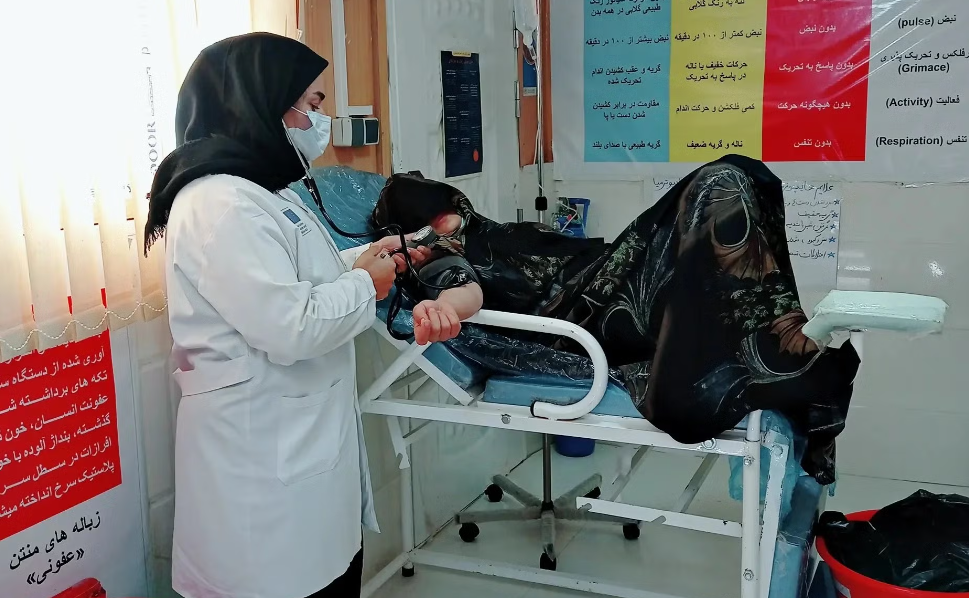
Thankfully, Sita survived her high-risk pregnancy with lifesaving care from a nearby clinic that provides localized support and is a vital resource for young mothers with nowhere else to turn.
CARE and its local partner, OCCD, support 12 such health clinics across Ghazni, Herat, and Khost provinces. Funded by the European Civil Protection and Humanitarian Aid Operations (ECHO), these clinics deliver antenatal care, nutrition support, safe deliveries, and postnatal counseling where few other options exist.