
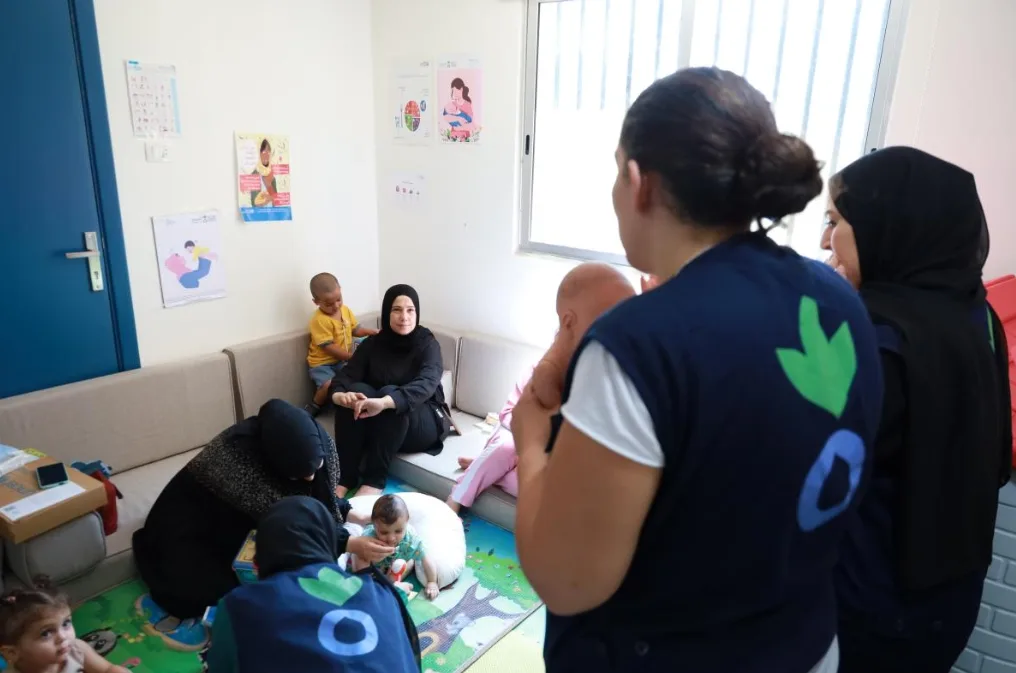
"Each time a door slams, her daughter jumps, convinced the place has been targeted. In that moment, I understood how long the scars from the conflict will remain." said an Action Against Hunger field officer.
Following the escalation in October 2024, thousands of people in Lebanon were confronted with a new and harsh reality: displacement, loss of livelihoods, and mounting health, psychological, and social challenges. As families attempt to return home, many houses remain in ruins or unfit for habitation. Schools struggle to reopen, while homes are left without electricity, running water, or sufficient food. Access to healthcare remains severely disrupted, leaving many already vulnerable residents with nowhere to turn.
In response, Action Against Hunger and Amel International, with the support of the Crisis and Support Centre of the French Ministry for Europe and Foreign Affairs (CDCS), launched a comprehensive humanitarian project that ran from late 2024 until August 2025. Over twelve months, the initiative reached more than 15,000 people in Saida, Tyre, Nabatieh, Marjeyoun, and Beirut — bringing concrete, practical help to communities that had been left with nothing.
In times of crisis, the wounds are not only physical. Mental Health became one of the most urgent – and most neglected – needs. In overcrowded shelters, families are still unsure if they will ever return to their homes, clinging to the hope they will still have a roof above their heads as many shelters are slowly closing leaving families with nowhere to go. Through three primary health care centers in Saida, Ain El-Remmaneh, and Ashrafieh, 947 people received specialized mental health support to cope with anxiety, trauma, and stress. Hundreds more joined community support activities and awareness sessions that helped restore resilience and a sense of control. “After everything I went through, my heart started racing, and my legs couldn’t carry me. But since I came to this session, I’ve benefited a lot — I felt better, and my mind was at ease. I used to be tense and afraid. They taught me not to be afraid, not to harm myself. It really brought me comfort!” — says Tarfa, a beneficiary.