
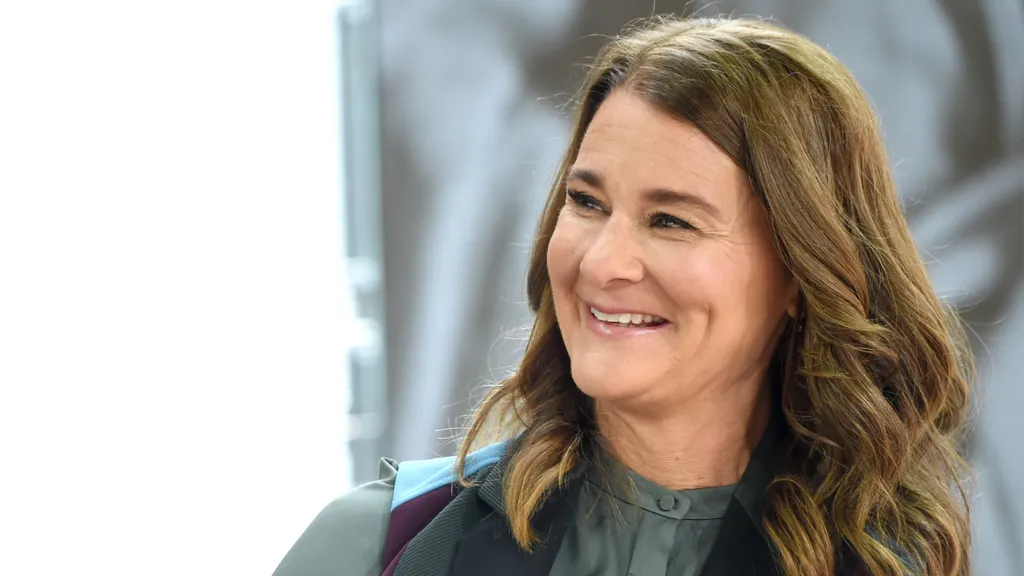
Billionaire philanthropist Melinda French Gates has said women's health is chronically underfunded, as she committed $50m to researching the issue.
This is in addition to her pledge to invest $1bn in the field over two years and will be used for new research into areas that pose significant risks to women around the world, including autoimmune conditions and mental health.
About 80% of people living with autoimmune diseases are women, according to Xavier University School of Medicine, and depression is about 1.5 times more common in women than in men globally, according to the World Health Organization.
Another area which will be looked at is cardiovascular disease. While this is a health issue for both sexes, it can affect them differently.
Women are more likely to have worse outcomes after a heart attack, experiencing higher rates of complications and mortality, often due to factors like delayed diagnosis, less timely treatment and different symptoms compared to men, according to a study presented at the scientific congress of the European Society of Cardiology.
The grant from Ms Gates' Pivotal Ventures organisation will go to US NGO Wellcome Leap, founded by the Wellcome Trust, which will fund the new research.
Critics, however, argue that is a long way from addressing decades of chronic underfunding and the funds required to bring women's health research on par with other areas of medicine.
Women's health research has historically been underfunded, and under-researched with medical research treating men's bodies as the default.
In the US, women of childbearing age were mostly excluded from early-phase clinical drug trials between 1977 and 1993. While this policy was largely a protective response after children were born with severe birth defects when their mothers took the thalidomide drug during pregnancy, it also resulted in women being systematically excluded from clinical drug trials, leaving gaps in knowledge about how medications affect them.