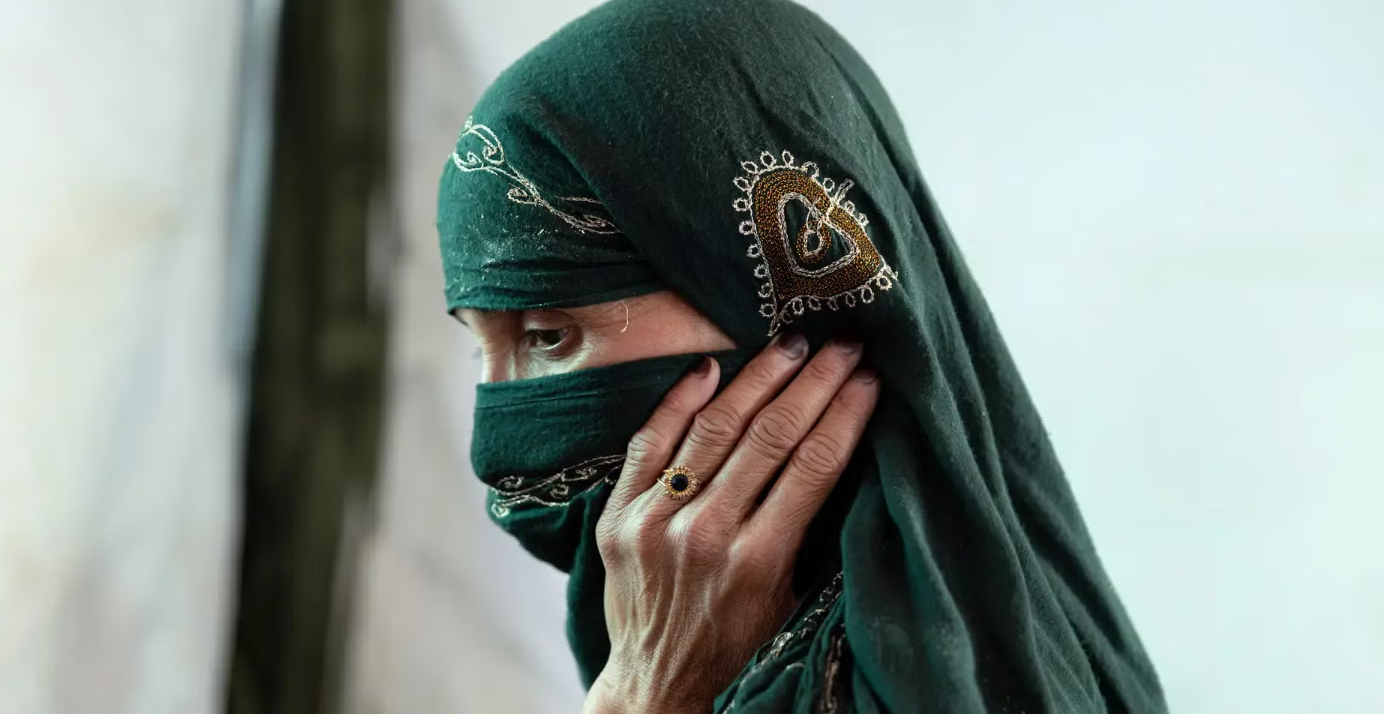
It was during an air attack in eastern Afghanistan that 30-year-old Najeeba* felt her labour pains begin. Around her, families were already on the move, fleeing renewed hostilities along the border between Pakistan and Afghanistan. But her baby wasn’t going to wait.
Just six months earlier, the ground had shaken beneath her feet when a massive earthquake devastated the region. Now, it was the skies that she feared.
“There was no safe place”, she recalled, as the conflict reached the camp where she had been living with other families displaced by the earthquake. “Aircraft were flying overhead, and my children were extremely frightened; whenever they heard the sound, they would cry and scream.”
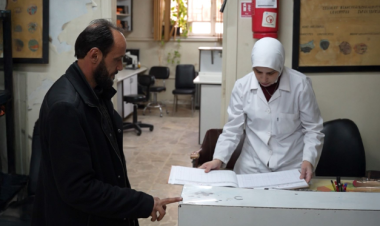
With her husband, she packed up their tent and few remaining belongings. Najeeba gave birth in a Red Crescent clinic, then climbed into a rented mini truck with her newborn daughter, six other children aged two to 11, and her husband, and escaped to a new camp in the Maza Dara Valley, in Nurgal district.
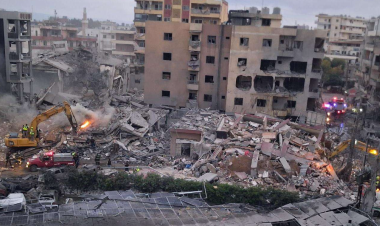
More than 100,000 people have been displaced by the latest cross-border air strikes, shelling, drone attacks, and ground clashes in eastern Afghanistan, following the escalation of renewed hostilities along the Pakistan-Afghanistan border.
Women and girls – who are already living under increasing restrictions on their freedoms and movement under the Taliban – and those struggling to survive the aftermath of last year’s earthquake in eastern Afghanistan have been hit hardest by the increased insecurity. An estimated 50,000 people in the affected areas are at increased risk of gender-based violence. And women have further reduced access to health and essential services. For pregnant women, the risks are even higher, as many face hunger and limited healthcare.
For Najeeba and her family, the journey was expensive, forcing them to sell already scarce resources – precious blankets, flour, and cooking oil – just to pay for the trip to the new camp in the Maza Dara Valley.
About 40 minutes away, along a steep dirt road in the mountains, another new mother reflected on the impact of the ongoing hostilities along the border.
Seventeen-year-old Fahima* had given birth to her son just before the latest escalation began in late February.
When the fighting started, her three other children, aged five and under, were terrified by the sound of aircraft and missiles. She and her husband – who had also been living in a camp with families displaced by the earthquake – decided to leave, selling flour and borrowing money to pay for transport.
Less than a year ago, they were farmers, growing sorghum, wheat, and kidney beans to feed their family or sell for income.
Now, forced to move for the second time in six months, they are running out of food.
“Our land was destroyed [in the earthquake] and there is no work here”, Fahima said. “We give more food to our children and eat less ourselves.”
More than two-thirds of women in ten impacted provinces have lost income, according to the Afghanistan Gender Coordination Group. Three-quarters report finding it harder to find food and more than four-in-ten report greater difficulty accessing healthcare. Women are also more likely to experience psychological distress.