Lebanon’s health system continues to function despite the mounting pressures of conflict, displacement and repeated attacks on health care – but without urgent action and sustained international support, access to essential health services is increasingly at risk.
Dr Chikwe Ihekweazu, Executive Director of WHO’s Health Emergencies Programme, has concluded a three‑day visit to Lebanon, reaffirming WHO’s support for the national health emergency response.
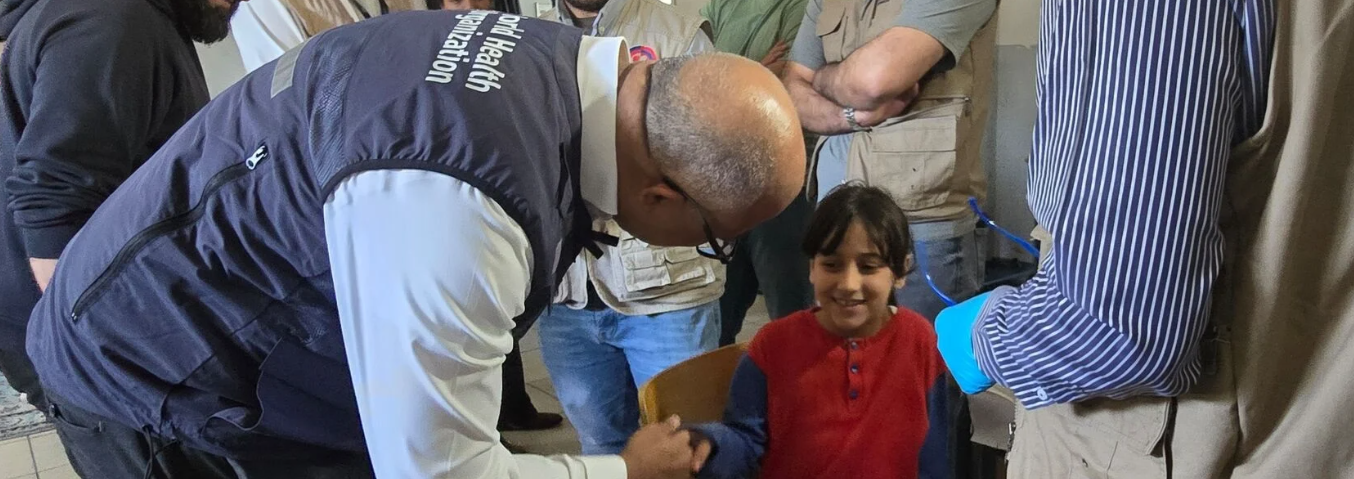
“I was deeply moved by the resilience of the displaced families I met, and by the unwavering commitment of frontline workers and partners, including WHO colleagues,” said Dr Ihekweazu. “Their dedication, combined with investments in preparedness, have kept the health system functioning for now, but it is unclear how long it can withstand the repeated shocks as the conflict continues.”
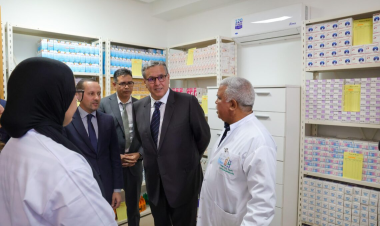
Dr Ihekweazu met with national authorities, including the Prime Minister and the Health Minister, the United Nations Resident and Humanitarian Coordinator, other partners, displaced people, and frontline health workers to hear from their experiences and identify priority areas for WHO’s continued support.
In support of the national response, WHO is delivering medical supplies, training health workers, supporting the Public Health Emergency Operations Centre, and coordinating the health response with partners, building on its experience with emergencies in the country. The latest delivery of supplies arrived in a convoy of four trucks on 1 April, carrying trauma emergency surgery supplies and specialized medicines, sufficient to support 50 000 patients, including 40 000 surgical interventions.