The World Health Organization (WHO) on Thursday called for strengthened preparedness to address heat-related health risks as Iraq prepares for the annual Arbaeen pilgrimage, issuing public health guidance aimed at reducing the risk of heat stress among millions of pilgrims.
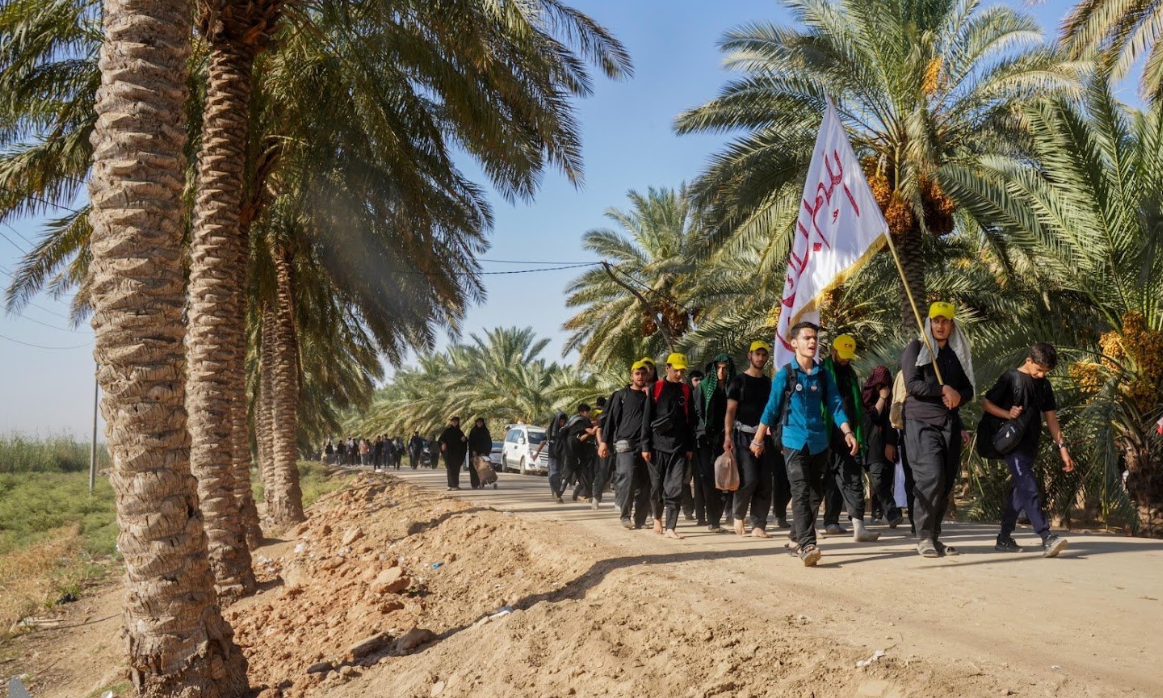
In a statement monitored by the Iraqi News Agency (INA), the WHO said that, as millions of pilgrims prepare to travel on foot to the holy cities of Karbala and Najaf, preventive measures against extreme heat should be reinforced. The appeal follows the findings of a pilot Heat and Health Risk Assessment conducted by the WHO Regional Office, which indicates that this year's Arbaeen pilgrimage is expected to coincide with the highest temperatures recorded during the current lunar cycle.
According to the assessment, daytime temperatures are forecast to reach around 45°C, while nighttime temperatures are expected to remain above 30°C along parts of the pilgrimage routes. The WHO stressed the importance of early preparedness and simple preventive measures to protect pilgrims, volunteers, healthcare workers, and host communities.
The organization noted that the Arbaeen pilgrimage is one of the world's largest annual mass gatherings, with more than 22 million participants expected this year. Many pilgrims walk long distances over several days, and prolonged exposure to high temperatures combined with physical exertion significantly increases the risk of heat-related illnesses, making comprehensive health planning and coordination essential.
The WHO's assessment classified 10 of Iraq's 18 provinces as high-risk areas for heat-related illnesses during the summer, including Karbala, Najaf, Babil, and southern provinces located along the main pilgrimage routes. Parts of southern Iraq currently experience around 70 days each year with temperatures exceeding 45°C, with temperatures frequently surpassing 50°C, making the region one of the fastest-warming areas in the Eastern Mediterranean.
The organization warned that extreme heat can lead to dehydration, heat exhaustion, and heatstroke, while also worsening cardiovascular, respiratory, kidney, and other chronic illnesses. Risks increase with higher temperatures, prolonged walking, inadequate hydration, and insufficient rest.
It also cautioned that heatwaves place additional strain on electricity, water, and healthcare services at a time when millions of pilgrims depend on access to safe drinking water, cooling facilities, and timely medical care.