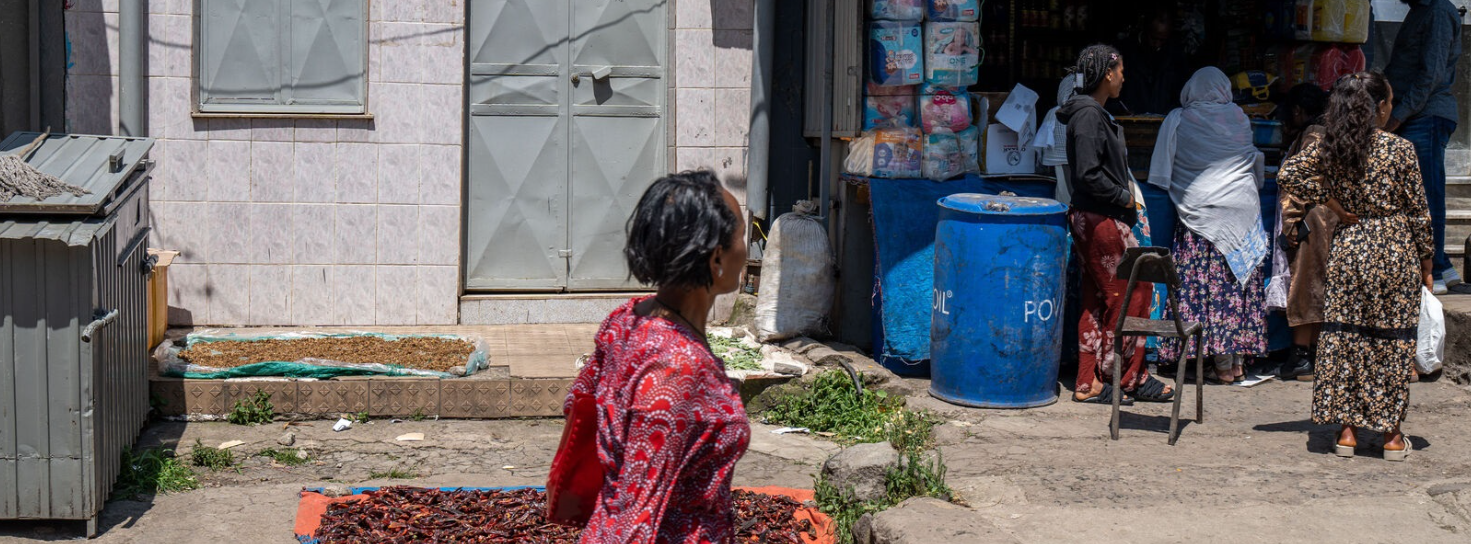
More than half of the world’s population now lives in urban areas, a proportion expected to reach 68% by 2050. While cities can create powerful opportunities for better health, climate action and social development, rapid urbanization is also exposing billions of people to inadequate housing and transport, poor sanitation, air pollution, extreme heat and environments that contribute to noncommunicable diseases and injuries.
With COP31 in Türkiye and the next World Urban Forum in Mexico City on the horizon, attention is turning to how global commitments can translate into meaningful action at the local level. As the 2030 deadline for achieving the Sustainable Development Goals approaches, strengthening the capacities of cities to make real change for communities is more important than ever.
In response, for the second year in a row, the WHO Academy and WHO Urban Health Unit held a four-week training on the Urban health capacity assessment and response – Resource kit, bringing together 73 participants (selected from more than 120 applications) from 27 countries across all six WHO regions. Participants included representatives of city health departments, national ministries, civil society organizations, academia and WHO country offices.
Delivered through four two-hour online sessions, the training helped participants translate the resource kit from guidance into practical action. Working in small groups they applied the kit to their own urban health priorities and examined published examples from cities including Greater Accra, Enugu State, Gwangju Dong-gu, Kwekwe, Lira, London, Suva and Utrecht. Two users of, and contributors to, the resource kit joined as guest speakers to share city case studies. Each participant left with a draft plan to initiate an assessment in their own context, with written commitments outlined for the entire cohort to monitor.
One participant noted that “the structure of the sessions, the breakout work, the city examples, and the resource kit all made the material practical and immediately relevant”.
The training reflects that health in cities is shaped far beyond the health sector. Transport, housing, food systems, employment, environmental conditions, infrastructure, safety and urban planning all influence people’s opportunities to live healthy lives.