Decades of conflict, recurrent climate shocks, disease outbreaks and widespread displacement have left millions of Somalis without access to basic health and nutrition care.
Somalia has some of the worst health indicators globally, including high maternal and child mortality rates and widespread malnutrition.
The country’s health infrastructure is heavily reliant on international aid. Currently, 95% of Somalia’s health care funding is supported by external donors, leaving the entire health system vulnerable to shifts in global financing. Recent funding cuts have placed immense pressure on essential health and nutrition services.
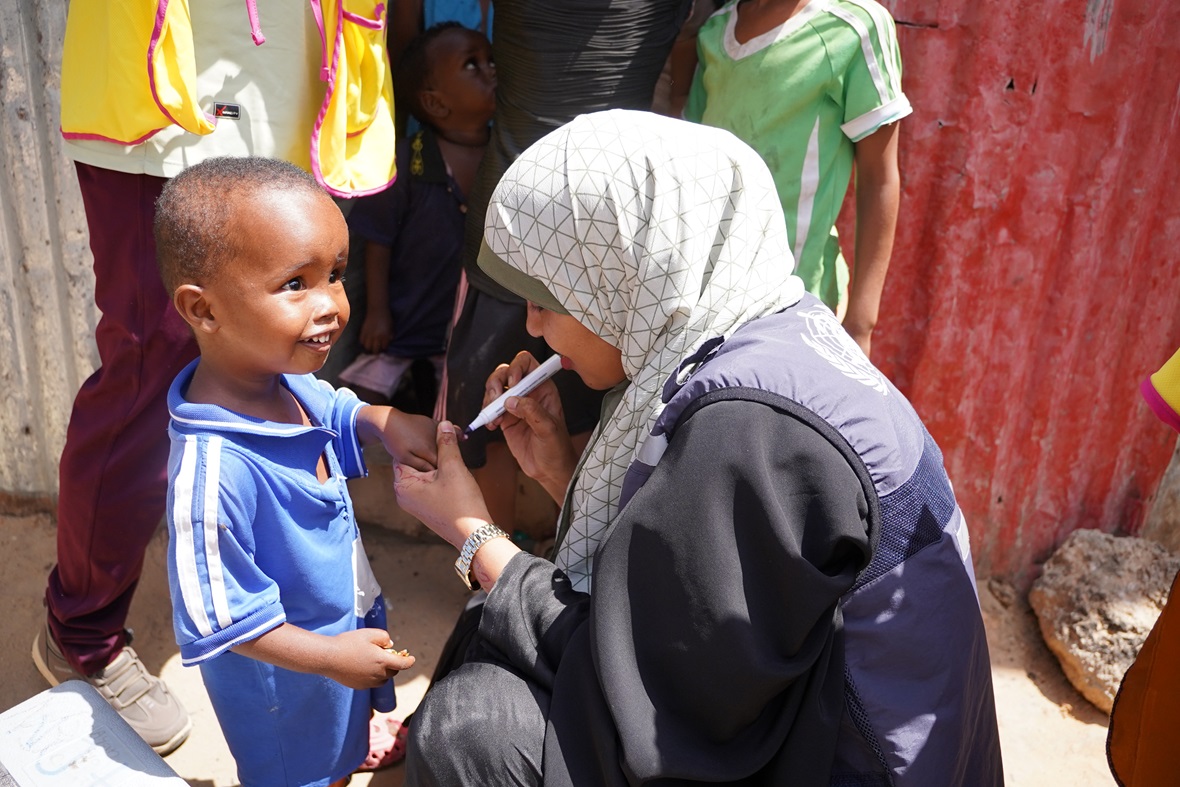
In this challenging context, the World Health Organization (WHO) plays a central role in supporting health and nutrition services and protecting vulnerable populations.