Afghanistan's health system faced severe funding shortages, complex administrative approval processes and restrictions on healthcare workers, particularly women, in 2025, the World Health Organization said Thursday, warning that continued international support remains critical to sustaining essential services.
Despite the challenges, the U.N. health agency said in its annual report that it continued providing life-saving healthcare across all 34 provinces while responding to earthquakes, an increase in returning migrants, disease outbreaks and rising cases of malnutrition.
Maintaining primary healthcare remained the organization's top priority, the report said. In coordination with the Taliban's Ministry of Public Health, the WHO also began developing Afghanistan's National Health Strategy for 2025–2030.
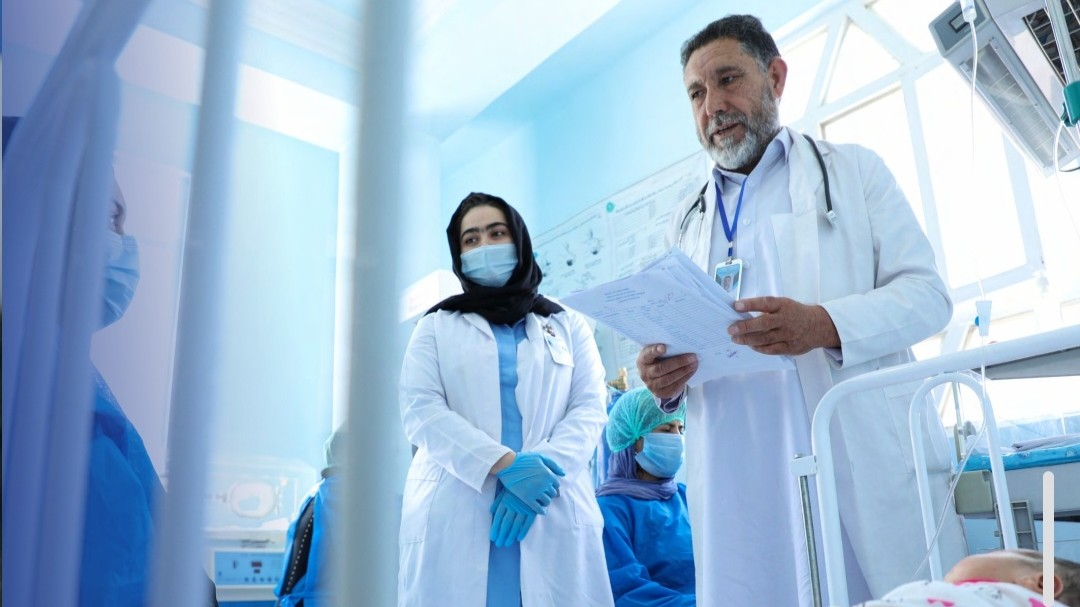
WHO-supported health facilities recorded more than 1.86 million outpatient visits during the year. The agency said 141 inpatient therapeutic feeding centers treated 56,400 children suffering from severe acute malnutrition with medical complications.
Mental health services also expanded, with the National Mental Health Hospital and five new inpatient units in provincial hospitals providing specialized care to more than 107,500 people, according to the report.
At border crossings with Iran and Pakistan, more than 189,000 people, including returning migrants, received medical treatment and emergency care.