Asma,* 28, carried the responsibility of caring for her five younger siblings after losing both parents. As the primary caregiver for her five orphaned younger siblings, her life was a relentless cycle of hardship.
At the age of 13, she witnessed the killing of her mother, and she was later forced into marriage, where she endured years of violence and emotional hardship. The cumulative weight of these tragedies left her isolated and in profound psychological distress.
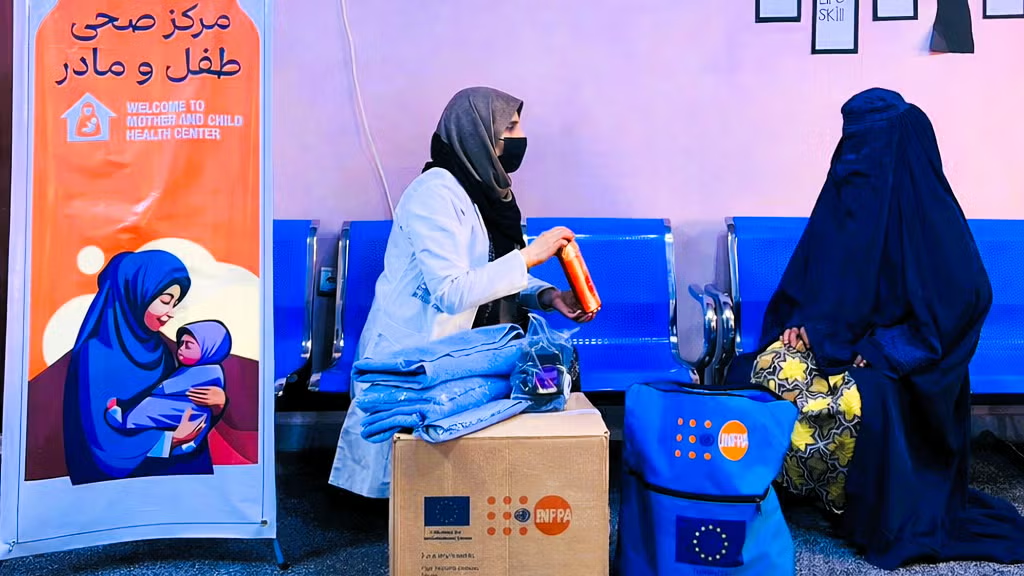
The turning point came when Asma found the courage to seek support at a Mother and Child Care Center (MCHC) in Kunduz, where she was welcomed into a safe and confidential space. A psychosocial counsellor began working with her through regular support sessions, helping her gradually process her trauma and rebuild her emotional strength.
Over time, the counselling helped her regain confidence and begin coping with the challenges she faced as the primary caregiver for her siblings.
Recognizing her economic vulnerability, the centre also provided her with a Dignity Kit that included essential hygiene supplies that helped ease daily pressures and support her personal well-being. For Asma, it was a profound gesture that transcended its practical contents. It was tangible economic relief and, more importantly, a powerful affirmation that she was seen and valued. The support carried a deeper meaning.
“The Dignity Kit gave me more than supplies,” she says. “They gave me hope and reminded me that I am not alone. I finally feel seen and supported.”
Today, she continues to care for her siblings while approaching the future with renewed determination. Her experience highlights the importance of integrated mental health and psychosocial support services for women facing trauma and hardship.