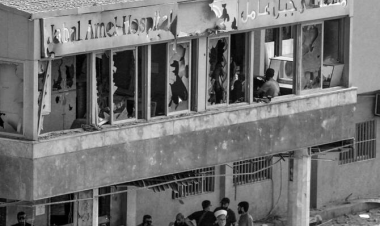
The densely populated Beirut suburb of Dahiyeh has become an urban front line in Lebanon, hit by hundreds of Israeli airstrikes since the escalation on March 2.
The neighborhood has also faced recurrent displacement orders forcing many residents to flee repeatedly; the latest was issued on June 1, when the Israeli military threatened to carry out strikes on the area.
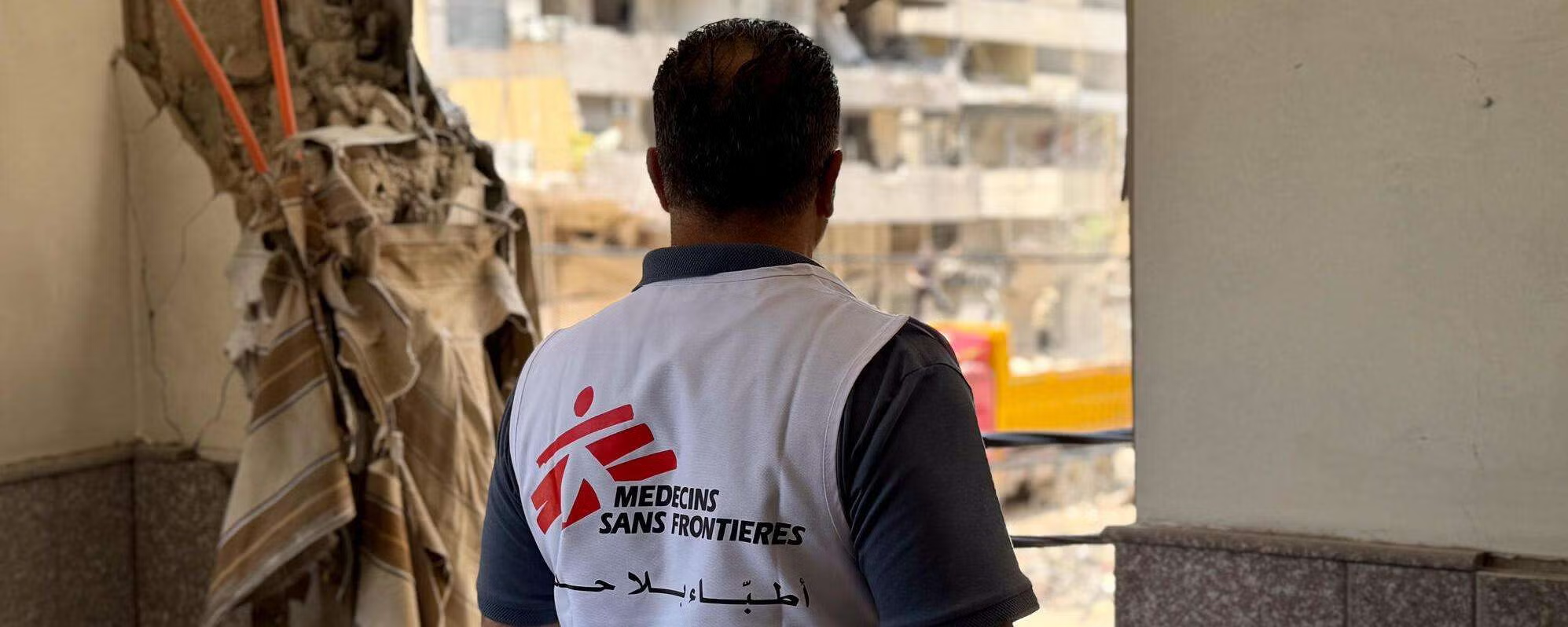
Doctors Without Borders/Médecins Sans Frontières (MSF) teams are on the ground in Dahiyeh working to restore essential services as community members face ongoing uncertainty and military threats. As part of MSF’s emergency response, we are operating mobile clinics to provide medical care, supporting primary health care centers, and delivering water and sanitation services to more than 30,000 people.
Once a vibrant urban area, Dahiyeh now bears the lasting impacts of repeated Israeli attacks. The destruction has severely impacted roads, public services, and water infrastructure, leaving thousands of residents without reliable access to essential services and exposing communities to increasing health risks. Most health care facilities in the area have been affected by the conflict: Primary health care centers and hospitals have lost staff to displacement, sustained damaged, or shut down due to insecurity risks. This further restricts people’s access to care.
Guilherme Bothelo, coordinator for MSF’s Beirut emergency projectThe situation in Dahiyeh illustrates the urgent need to address both immediate humanitarian needs and the longer-term consequences of the escalation in Lebanon. As Israeli strikes intensify significantly in the south of the country and in the Bekaa, we fear that such situations will multiply.
As essential services become harder to reach or cease functioning, vulnerable people like children, the elderly, and people with pre-existing conditions are particularly at risk. Jamila, a displaced mother, spent two months living in tents just outside of Dahiyeh with no income and no support, with her 14-year-old son Wissam. “I went for days without food or water,” she says. “I could not even bathe.”