Following a comprehensive field assessment in partnership with the United Nations Children’s Fund (UNICEF), the World Health Organization (WHO) has pre-validated the elimination of maternal and neonatal tetanus (MNT) in Khyber Pakhtunkhwa (KP) province. This milestone takes Pakistan closer to interrupting the transmission of this life-threatening disease among mothers and newborns nationwide. Around 94% of Pakistan’s population – or approximately 250 million people – now live in areas where the spread of neonatal tetanus remains under controlled limits – less than 1 case of tetanus per 1000 live births.
Gilgit-Baltistan achieved elimination in July 2025, Islamabad Capital Territory and Pakistan-Administered Kashmir in March 2025, Sindh in December 2024, and Punjab in 2016. With Khyber Pakhtunkhwa’s achievement of the elimination threshold, Balochistan is the only province still working towards this goal.
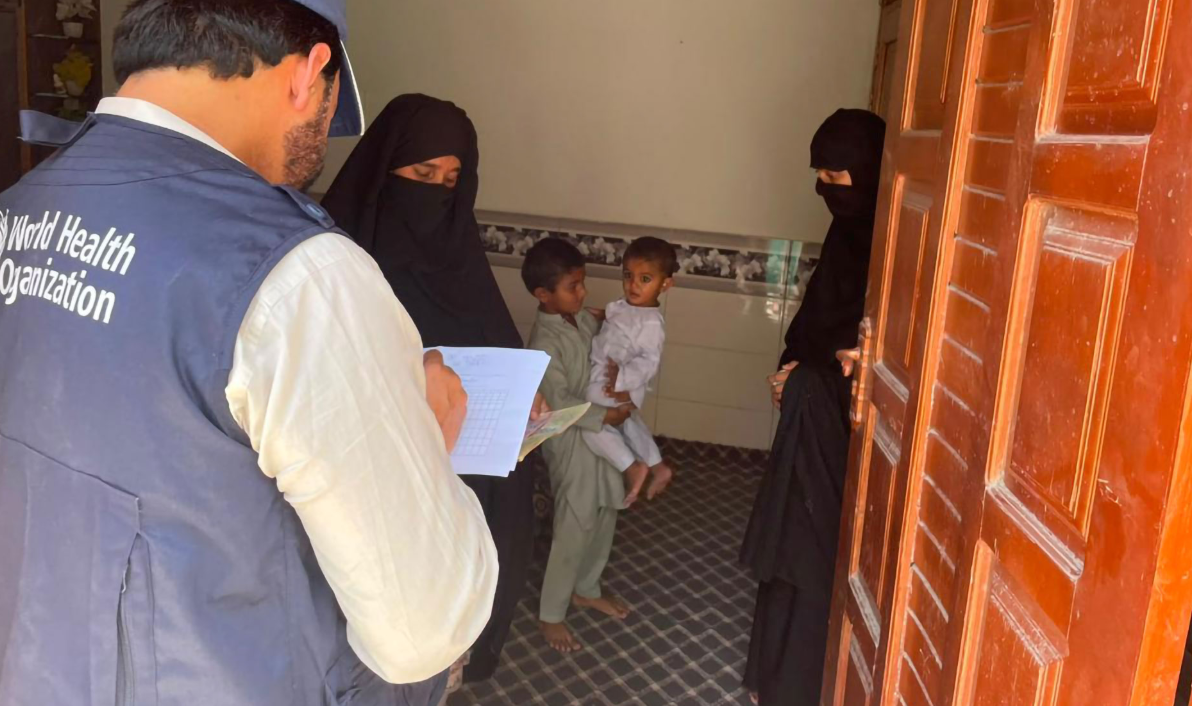
The pre-validation assessment was conducted following a comprehensive review led by WHO and UNICEF, at the request of the Government of Khyber Pakhtunkhwa, which included field visits to high-risk, hard-to-reach districts with historically low immunization coverage, including Dera Ismail Khan, Battagram and Kohistan (Upper and Lower); a desk review of three years of surveillance data; and a quality audit of the tetanus vaccination campaigns in South Waziristan (Upper and Lower), where field access was not possible.
Khyber Pakhtunkhwa’s achievement is the result of the transformative strategies led by the national and provincial governments, in partnership with UNICEF and WHO. Combined efforts include improved immunization for pregnant women and women of childbearing age, surveillance, community engagement, safer delivery practices, improved skilled birth attendance, cord care, and enhanced access to other antenatal, maternal, newborn and child health services. Around 12 000 Lady Health Workers, together with thousands of vaccinators and frontline health staff, were at the heart of this effort, reaching women in some of the province’s most remote and underserved communities.