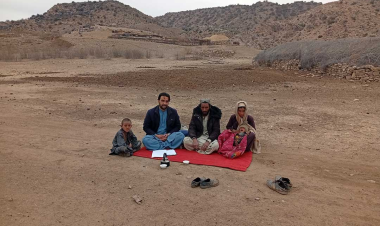
Shortly after deadly floods affected nearly 6.9 million people across Pakistan, the nation’s interior was struck by the opposite extreme: a severe drought and an alarming water shortage. Many families still depend on unsafe groundwater, and environmental pressures such as rising salinity, declining water sources, and erratic rainfall.
Action Against Hunger responded with multisectoral support across Sindh to help families maintain agency while combatting environmental challenges beyond their control. In the Thatta district of Sindh alone, interventions transformed lives across 15 villages, reaching 1,376 households and more than 7,000 individuals with over 1.3 million liters of clean drinking water. Alongside this, hygiene kit distributions and awareness sessions have strengthened families’ abilities to adopt safer water, sanitation, and hygiene practices. These crucial steps go beyond immediate relief to strengthen long-term health and nutrition outcomes.
Families in Pakistan face a daily struggle for water. Not only is water scarce, but it is also unsafe and can leave lasting impacts on their health. A recent study found that most of Pakistan’s drinking water does not meet World Health Organization standards. The issue is particularly severe in Sindh, where E. coli was found in 20% of samples.
To make matters worse, health facilities in Sindh are often distant and expensive. People become sick from the lack of water, sanitation, and hygiene (WASH) essentials, and then they find it nearly impossible to access care.
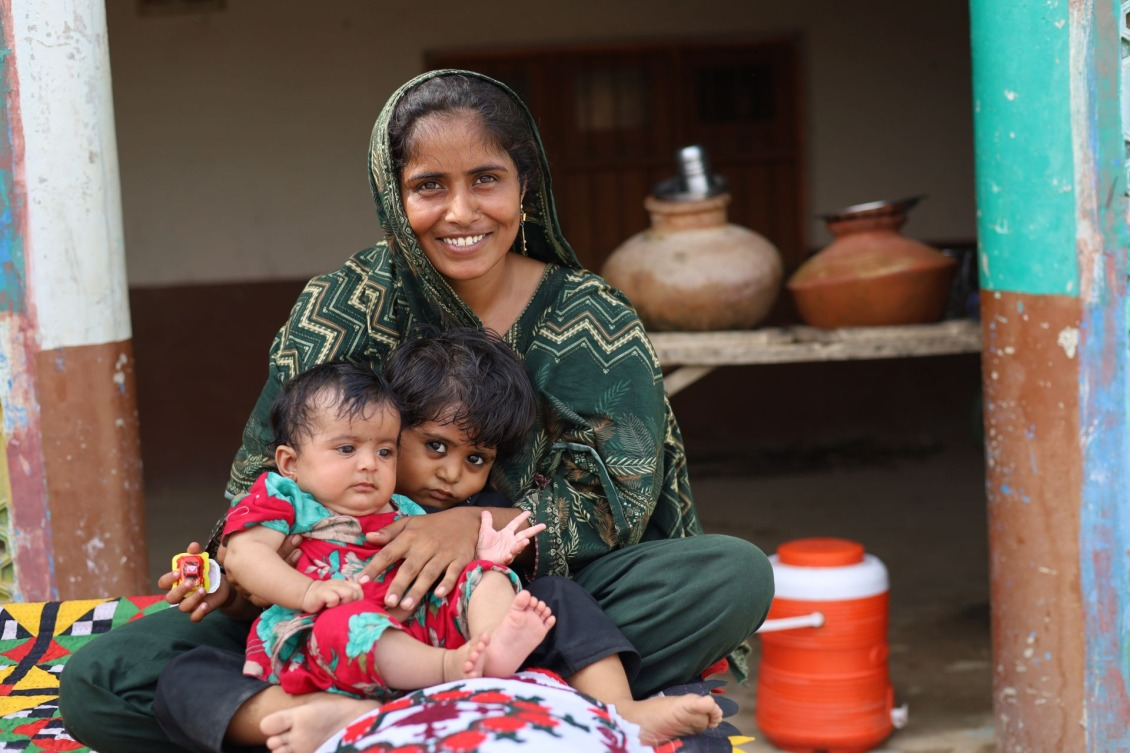
Seema is a 21-year-old mother of two who has been personally affected by the unsafe water. She suffers from painful kidney stones, which doctors attribute to years of consuming hard, contaminated water. She and her family have been experiencing repeated illnesses, and their health costs are rising.