After months of hostilities, many families across Lebanon are returning to find their homes damaged, services such as health care disrupted, and their sources of income lost.
For some, current conditions still make return impossible. Entire towns and villages in Lebanon have suffered widespread destruction and remain largely inaccessible following intense hostilities and destruction.
As of 26 August 2026, more than 334,000 people remained displaced, unable to return because of security concerns, damage and limited access to essential services.
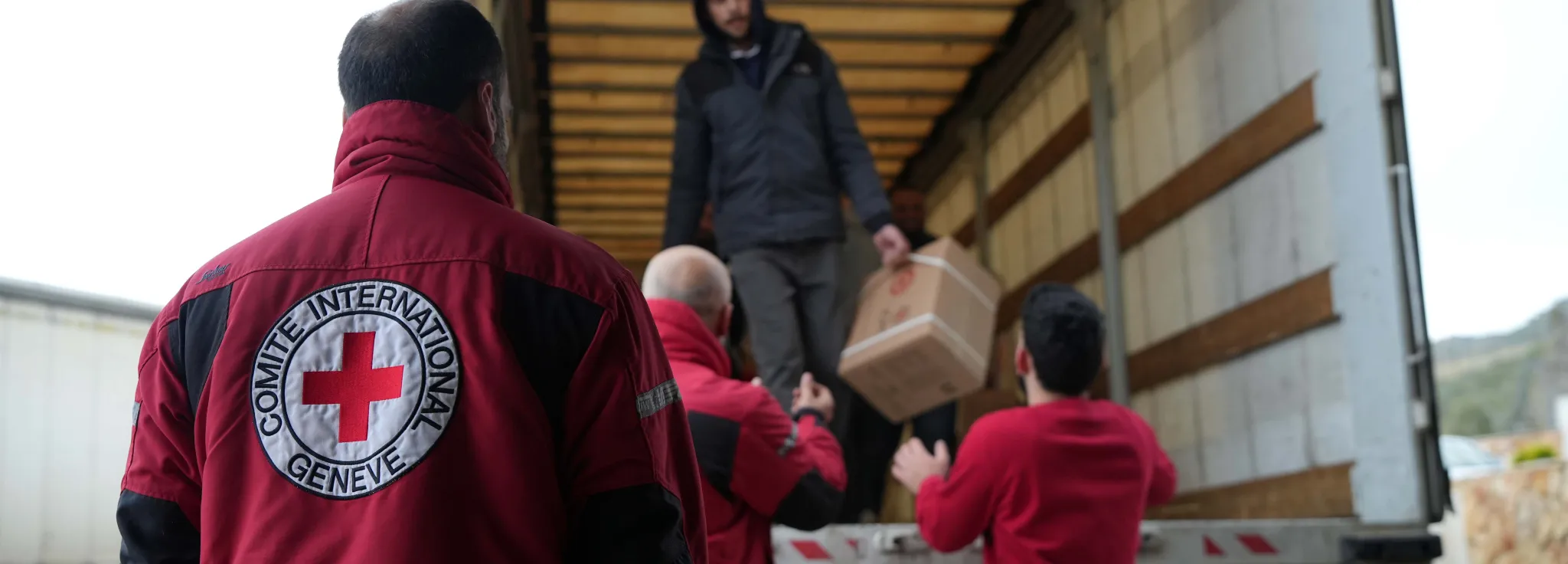
The International Committee of the Red Cross (ICRC) is scaling up and adapting its response to the evolving situation by continuing to help address the immediate needs of the affected population, while supporting the restoration of services, early recovery and livelihoods to help communities return and recover.
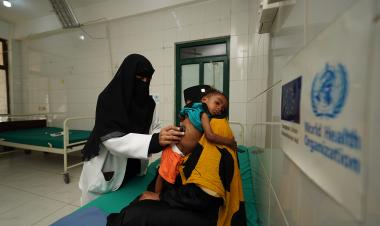
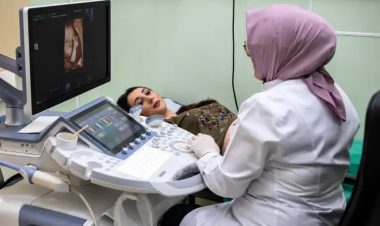
Access to health care remains limited, particularly in areas of return where services have been disrupted.
Only 4% of households surveyed by the World Health Organization in southern Lebanon and Beirut’s southern suburbs reported full access to health care following the closure of dozens of primary health-care centres and several hospitals during the escalation. Medical facilities have also faced shortage in essential supplies and damage to infrastructure with attacks affecting health-care personnel and services being reported.
Since April 16, the ICRC has supported more than 70 medical and health care facilities and services, including 12 hospitals, 21 primary health-care centres, 4 mobile medical units, 23 emergency medical service centres, and physical rehabilitation centres, with essential medical supplies, medications, consumables, equipment and other critical support. This assistance has been essential in helping these facilities remain operational and continue providing essential health-care services to conflict-affected communities.
Capacity-building activities have also been resumed to enhance emergency preparedness of key health care facilities.