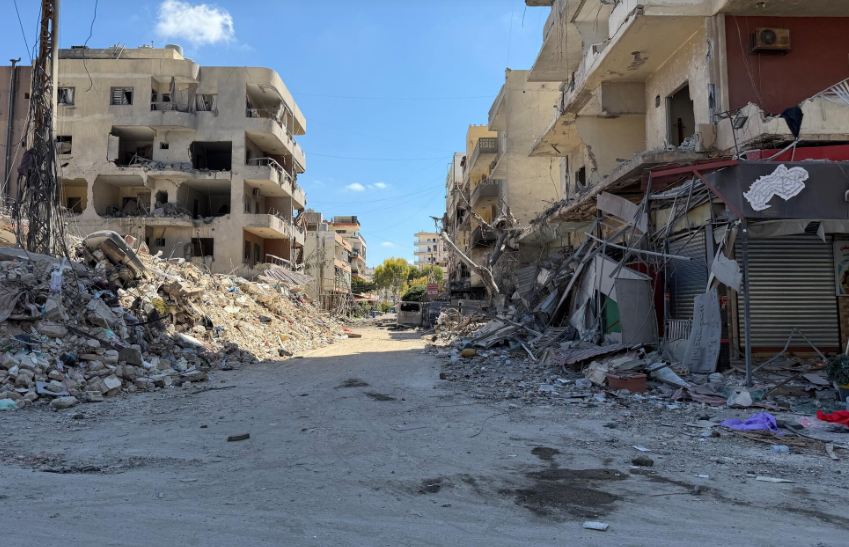
Médecins Sans Frontières (MSF) is releasing a report documenting the detrimental and lasting impact of Israeli attacks on civilians and healthcare in southern Lebanon. While supporting hospitals and first responders during the most recent escalation of Israeli attacks earlier in 2026, MSF teams witnessed first-hand the human and medical cost civilians have borne, and the serious damage inflicted on healthcare.
No one is spared is an evidence-based report grounded in direct witnessing from southern Lebanon, during a period in which MSF supported the provision of emergency and trauma care at Jabal Amel hospital, in Sour (Tyre), and Najdeh Al-Shaabiyeh hospital, in Nabatiyeh. The report captures how Israeli strikes killed or maimed children, elderly people, or entire families. At a time of heightened medical and humanitarian needs, and under pressure of repeated influxes of mass casualties, medical facilities and ambulances were directly struck or affected by Israeli attacks.
All parties to the conflict must uphold their responsibilities under international humanitarian law. Specifically, MSF calls on Israel to respect and protect medical staff, ambulances, emergency responders, and civilians; and to refrain from attacking them, including those who remain in or return to war-affected areas. States with influence over the parties to the conflict must use their diplomatic and political leverage to ensure these obligations are upheld and that attacks affecting civilians and healthcare are addressed.
Inside emergency rooms and operating theatres, MSF teams and the hospital staff they support treated patients with severe blast, fragmentation, and other traumatic injuries. They treated injuries caused by explosive weapons: internal organ and brain damage caused by extreme pressure waves; fractures, traumatic brain injuries, and penetrating wounds caused by shrapnel; blunt trauma from people being thrown by explosions; and severe burns, crush injuries, and smoke inhalation.
“Our teams witnessed people devastated by the full spectrum of blast trauma,” says Dr Luna Hammad, MSF medical coordinator in Lebanon. “Patients arrived with deep internal damage, shattered bones, and dozens of metallic fragments embedded throughout their bodies. Such injuries overwhelm both the human body and the emergency teams fighting to save lives.”