Aware of the deep-rooted stigma and taboos surrounding HIV/AIDS, Dr Atif Ali chose to dedicate himself to protecting people from a preventable and treatable disease. For over a decade, he has worked on prevention, testing and treatment in his homeland, Pakistan. Two years ago, he joined the World Health Organization’s (WHO) Disease Control team in Pakistan, where he has worked closely with both communities and policymakers to protect public health and bring hope for a normal and healthy life to people living with HIV in Pakistan.
We spoke with Dr Atif Ali about his work on the frontlines of the HIV response. Below are edited excerpts from the interview.
WHO is an international organization in which science, policy, and community impact come together under one umbrella. Having worked at the grassroots level, I saw firsthand how bloodborne diseases affect individuals, families, and entire communities. This made WHO the right platform for me – a place where I can contribute meaningfully to people’s lives, support individuals, and help improve the overall health of communities. That is why I chose to join WHO.
People trust WHO. Whether it is guidelines, testing algorithms, treatment, or prevention standards for HIV and hepatitis, WHO’s work is trusted not only by communities and governments but also by healthcare professionals. Because of this credibility and impact, WHO’s role is essential in effectively addressing HIV, hepatitis, and other bloodborne diseases.
Hepatitis and HIV are two major bloodborne diseases. WHO’s role in strengthening prevention and treatment efforts and providing science-based guidelines is not just important – it is essential. Combating these diseases through evidence-based approaches can improve the overall healthcare landscape in Pakistan.
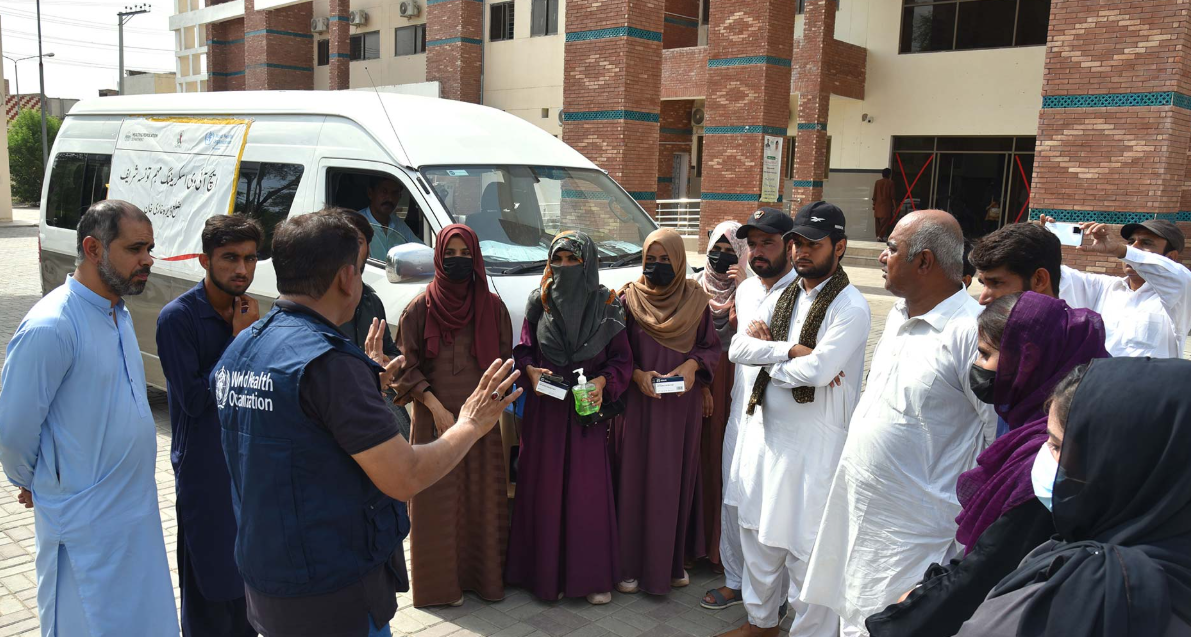
We listen to people’s concerns, beliefs, and the barriers they face in accessing testing and treatment. This helps us understand their needs, engage stakeholders such as the government, and respond effectively. We then provide guidance and raise awareness on key issues such as injection safety and safe blood transfusion—this is how we approach and carry out our work.