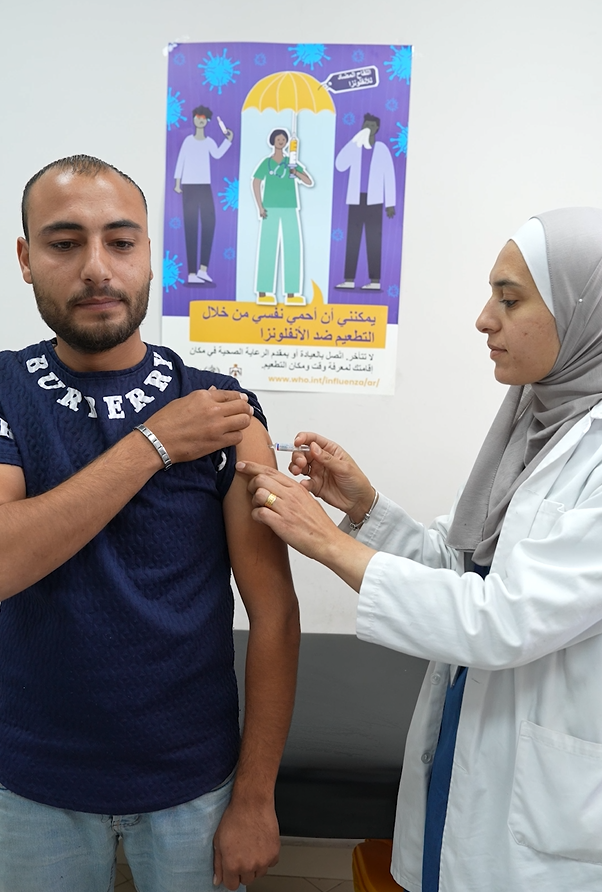
Building on three decades of influenza vaccine use, Jordan is advancing efforts to establish a more structured national programme and generate the data needed to better understand coverage and address barriers to vaccination.
A 2025 burden of disease analysis, "Estimating the burden of influenza and burden potentially avertable through vaccination in Jordan", by the Ministry of Health and World Health Organization (WHO), based on hospital surveillance data from 2015 to 2019, estimated that influenza was associated with an average of 1974 hospitalizations and 93 deaths over the study period, with more than half of hospitalizations among children under five years of age. While approximately 200 000 doses of influenza vaccine are distributed annually, the absence of detailed coverage data limited the ability to accurately assess uptake among vulnerable groups.
In 2024, the Ministry of Health, in collaboration with WHO, conducted a behavioural and social drivers (BeSD) study to better understand influenza vaccination practices among key population groups, including health workers, pregnant women and older people, and to identify the barriers influencing vaccine uptake and access. The study found a substantial gap between awareness of influenza vaccination and actual uptake. Although awareness of the influenza vaccine was high among health workers (95%), pregnant women (76%) and older people (70%), only 65%, 30% and 25%, respectively, reported having been vaccinated during the preceding two years. The findings also highlighted practical barriers to access, including inconsistent vaccine supply, distance and cost, as well as barriers to vaccine uptake, such as concerns about vaccine safety and low perceived risk of influenza. Recommendations from health workers and supportive family norms emerged as important enablers of vaccination. The findings underscored the need for a national seasonal influenza vaccination policy to support a more consistent and equitable vaccination programme.