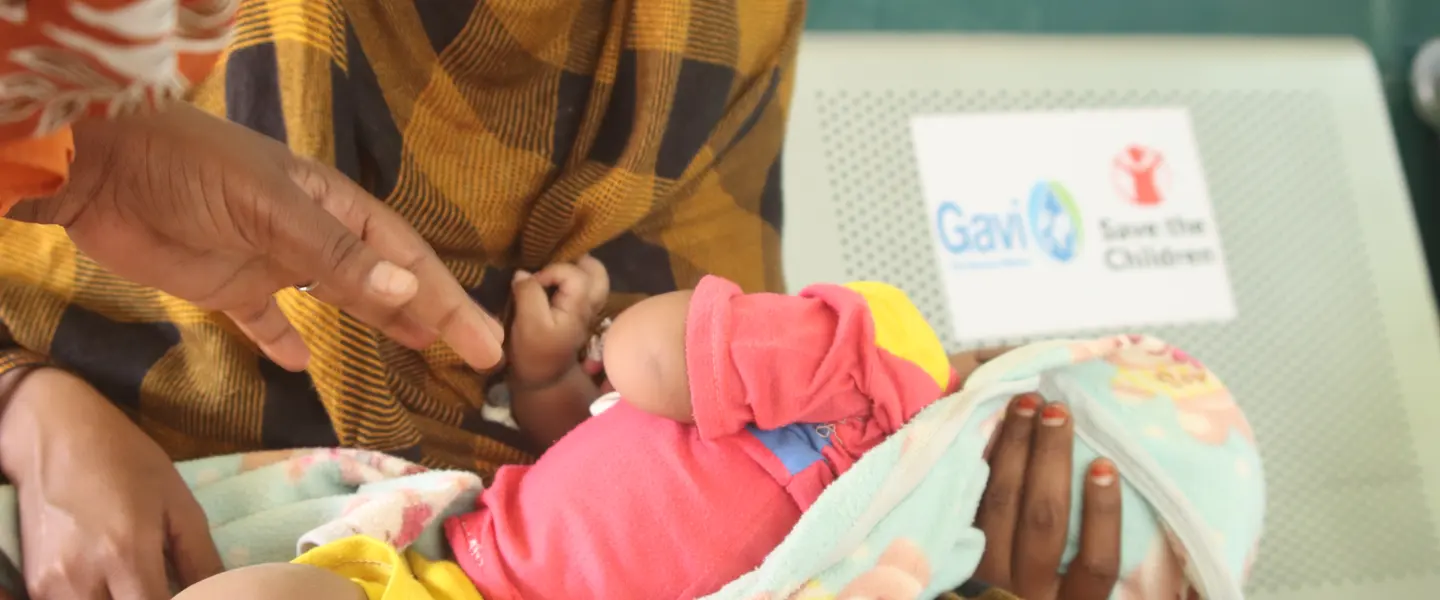
Cases of measles increased over 25% in conflict zones last year, with attacks on health care, aid cuts, vaccine misinformation, and disruption to health systems contributing to the worsening crisis, said Save the Children [1].
With World Immunization Week beginning this Friday, the aid agency is calling for renewed global efforts to help vaccines reach children and warns that already in 2026 more than 14,360 cases of the deadly measles virus have been confirmed across 15 countries facing conflict .[2]
Save the Children analysed World Health Organization data and found that in 2025, 18 countries in conflict recorded over 74,340 cases of measles, compared to about 57,800 in 2024 [3]. These countries, despite only representing 15% of the child population in the total number of countries reporting measles cases, accounted for 30% of global measles cases, showing how countries in conflict are disproportionately more likely to be impacted by a measles outbreak [4]. In addition, while these numbers are extremely high, the actual number of cases is estimated to be higher still due to underreporting from disrupted and destroyed health systems [5].
While two doses of a safe and highly effective vaccine provides an estimated 97% protection against measles infections, progress in immunisation rates has stalled or reversed in many countries, both conflict and non-conflict affected, amid aid cuts, vaccine misinformation, and disruption to health systems and service delivery [6]. Since it was introduced, the measles vaccine has saved millions of lives globally, including
nearly 20 million in Africa alone since 2000 . [7]