International Day of Persons with Disabilities (IDPD), celebrated every year on 3 December, provides a platform to promote the rights and well-being of persons with disabilities at every level of society, and an opportunity to assess – and raise awareness of – the situation of persons with disabilities in all aspects of political, social, economic and cultural life.
In Lebanon, where ongoing emergencies and chronic pressures on the health system shape daily life, the World Health Organization (WHO) works with national authorities and partners to safeguard the rights, dignity and well-being of people with disabilities.
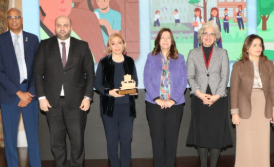
“Experience has shown that responses often fail when designed without the most vulnerable at the centre, first among them persons with disabilities,” said Minister of Public Health Dr Rakan Nasreddine during the first national conference to develop an inclusive emergency plan for persons with disabilities in Lebanon.
“Launching is not just a technical document, it is a national declaration of intent and a message of ethical, humanitarian, and rights-based commitment.”
Dr Nasreddine underscored three core messages: (1) disability is not a marginal issue but an urgent priority; (2) health is incomplete without cross-sectoral coordination, and (3) no disability plan should be developed without the participation of persons with disabilities.
Echoing this, WHO Representative in Lebanon Dr Abdinasir Abubakar said: “Disability inclusion is not optional – it is central to achieving health for all. Even in the midst of conflict and crises, WHO is firmly committed to ensuring that persons with disabilities are not left behind, and that their right to health is protected, respected and fulfilled.”