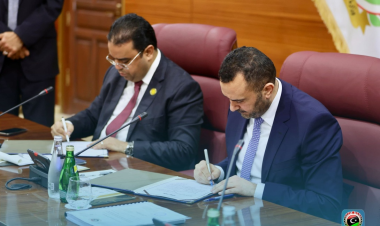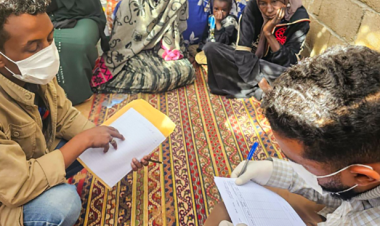
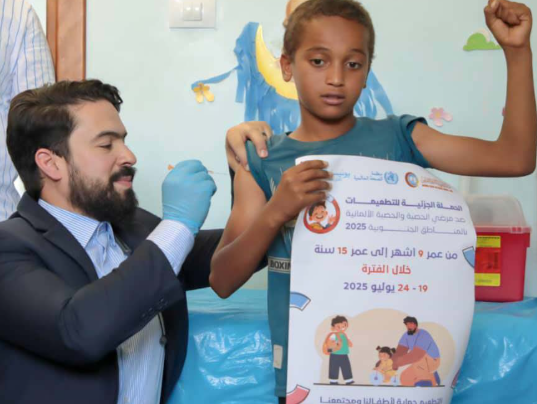
On 19 July, the National Centre for Disease Control in Libya (NCDC), in close collaboration with the World Health Organization (WHO) and the United Nations Children’s Fund (UNICEF), launched a subnational measles and rubella (MR) vaccination campaign across 15 municipalities in southern Libya.
The campaign aims to vaccinate approximately 180 000 children aged 9 months to 15 years, targeting communities at highest risk of disease transmission.
The campaign has been launched amid growing concerns over a global resurgence of measles and rubella. In Southern Libya there is limited access to health care and high population mobility, making it particularly vulnerable to outbreaks. The intervention comes as part of Libya’s broader national strategy to eliminate measles in alignment with regional health goals.
“WHO is committed to supporting NCDC and Libya’s health authorities in their efforts to eliminate measles and rubella, especially in underserved and hard-to-reach areas,” said WHO Representative and Head of Mission in Libya Dr Ahmed Zouiten. “Through joint efforts with the Ministry of Health (MoH), the NCDC and local health teams, the campaign represents a vital step in preventing future outbreaks and closing immunity gaps among children.”