Dengue remains a major public health concern in Bangladesh, demanding coordinated action that extends beyond the health sector. On 24 August 2026, WHO brought together government, health and development partners for the second “Shastho Chorcha” dialogue to explore how collaboration across government and society can advance dengue prevention and control.
The session, titled “Dengue: Protecting lives through collective action – a whole-of-government, whole-of-society response”, was presided over by the WHO Representative to Bangladesh, Dr Ahmed Jamsheed Mohamed, with Dr S M Ziauddin Hyder, Hon’ble Special Assistant on Health Affairs to the Hon’ble Prime Minister (Status of State Minister), attending as Chief Guest. Representatives from the Prime Minister’s Office, Ministry of Health and Family Welfare, Directorate General of Health Services (DGHS), local government, the Development Partner Consortium, non-governmental organizations and academia also participated.
At the heart of the dialogue was a challenge that no single sector can address alone: dengue transmission is shaped by complex interactions between the dengue virus, Aedes mosquitoes and people, as well as by environmental, climatic and social conditions.
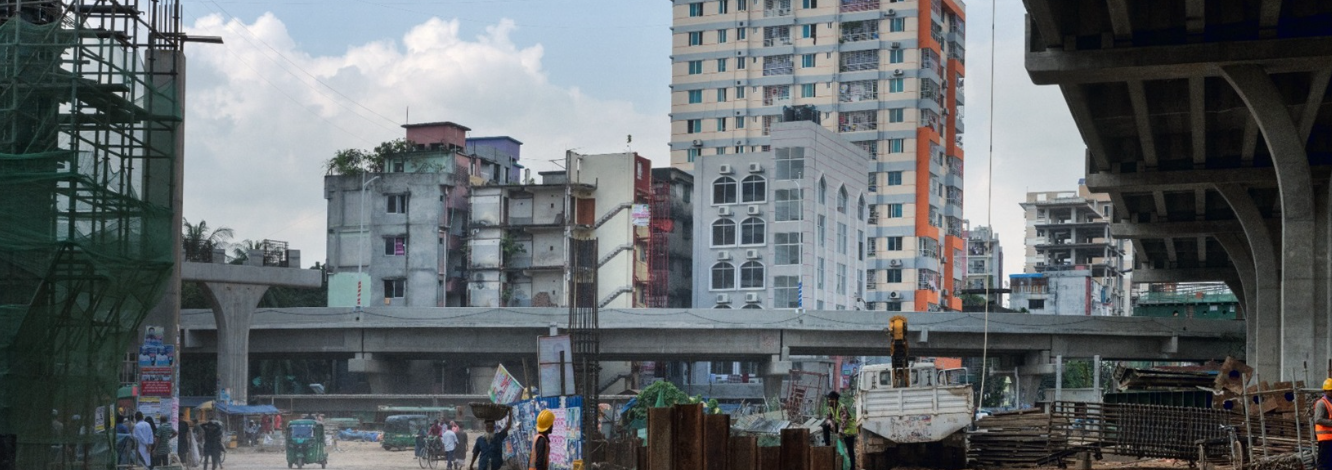
Rising temperatures and changing rainfall patterns can affect mosquito breeding and survival. At the same time, rapid and unplanned urbanization, high population density and population movement can increase transmission risks, while inadequate water, sanitation and waste management can create conditions that favour mosquito breeding and increase contact between mosquitoes and people.
“Dengue management cannot be an either-or approach,” said Dr S M Ziauddin Hyder. “Surveillance, risk communication, social mobilization, vector control and proper treatment need to happen at the same time, in the same geographic location. These interventions must converge.”
Participants shared current and planned actions across institutions. DGHS has instructed government hospitals to maintain clean environments, establish dedicated dengue corners and strengthen awareness activities, including in schools. With WHO support, training on updated dengue clinical management has also been completed through a training-of-trainers programme, strengthening health workers’ capacity to recognize and appropriately manage dengue cases.