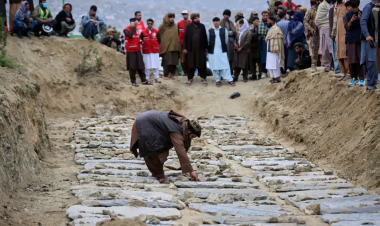
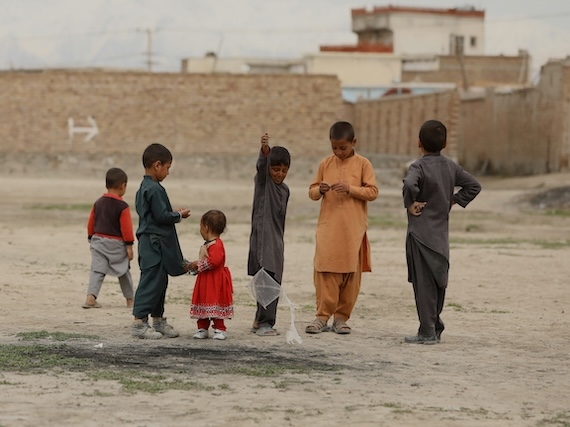
The street market in the Afghan border town of Torkham in Nangraha province has “gone silent.” Anxiety about the future is rising as trade halts and incomes dry up, a local shopkeeper tells Truthdig. His name has been withheld for his protection, as have most names in this piece.
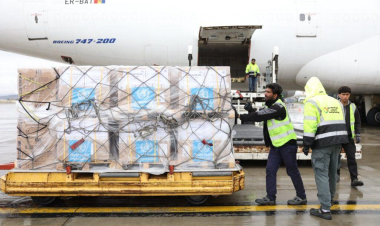
Pakistan declared open war against Afghanistan in late February, but border insecurity and clashes have affected supply chains since mid-2025, when tensions between the two countries began to increase. The conflict is the latest issue compounding other dire factors over the past five years, including U.S. sanctions on Afghanistan, humanitarian aid cuts, flooding and droughts. Together, they have left Afghanistan with one of the world’s most fragile economies and are contributing to severe poverty, unemployment and, ultimately, widespread mental health battles.
“I feel isolated, I have lost my patience. Unemployment has affected my mental health,” Palwasha (a pseudonym) tells Truthdig. She is a young Afghan woman who used to have short-term contract jobs, but she has struggled to get an income since 2021, when the Taliban returned to power and the U.S. froze Afghan government reserves held in U.S. bank accounts.