Since 13 July, around 176,000 people have been displaced from Sweida, according to the UN Office for the Coordination of Humanitarian Affairs (OCHA).
Mostly migrating to neighbouring Dar’a and Rural Damascus governorates, civilians are fleeing violent clashes between Bedouin tribal fighters, Syrian caretaker government forces and Druze militias.
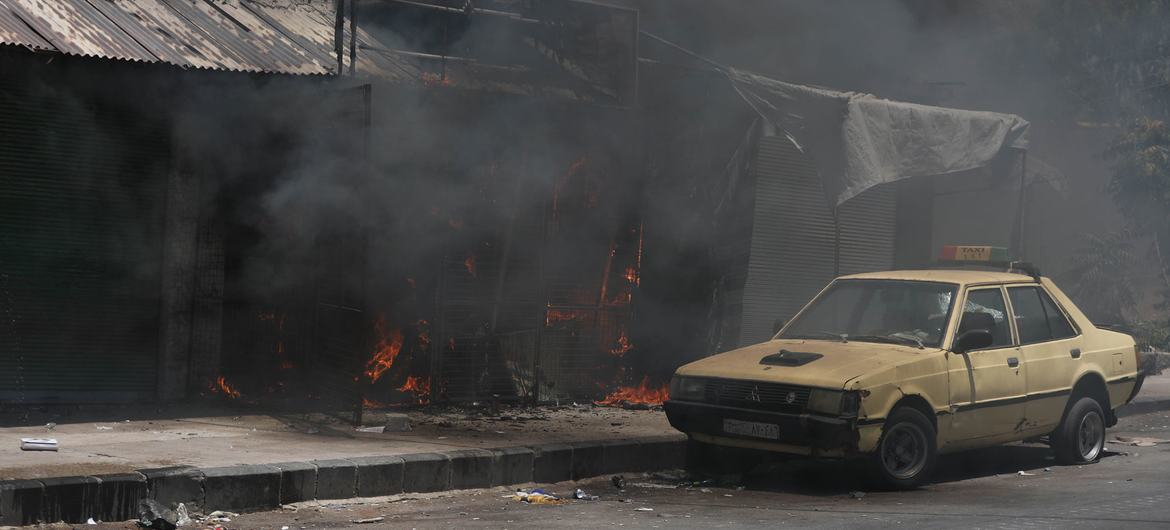
Meanwhile in the north of the country, local authorities reported that a large explosion struck an ammunition depot in Ma’arrat Tasmarin, in Idleb Governorate, on Thursday, reportedly killing six people and injuring at least 140 others.
Although Syrian Civil Defense teams attempted to evacuate people and transfer the injured for medical care, secondary explosions in the vicinity significantly hindered emergency response efforts.
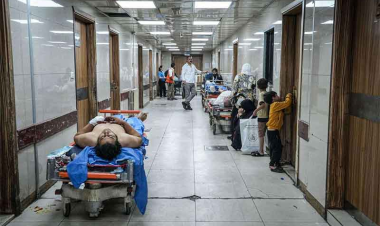
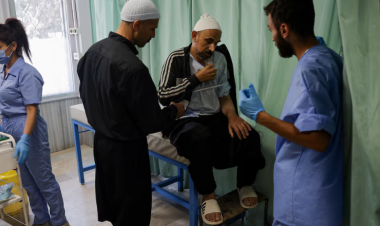
In Sweida, health facilities are under immense strain, with staff operating in extremely difficult conditions, while access to healthcare remains a challenge.
As WHO confirmed five attacks on healthcare, including the killing of at least two doctors, the organization also reported on the obstructions to and targeting of ambulances as well as the temporary occupation of hospitals.
“We know healthcare must never be a target. In fact, health facilities, patients and health workers must be actively protected,” said Dr. Christina Bethke, WHO acting representative in Syria, speaking from Damascus to journalists at the UN in Geneva on Friday.
Dr. Bethke said that Sweida’s hospitals are facing shortages of staff, electricity, water, and basic supplies, with the morgue at the city’s main hospital reaching capacity earlier this week.
“Ensuring that doctors, nurses and supplies can reach people safely is not just vital for saving lives, it is a responsibility under international law that all sides must uphold,” Dr. Bethke said.