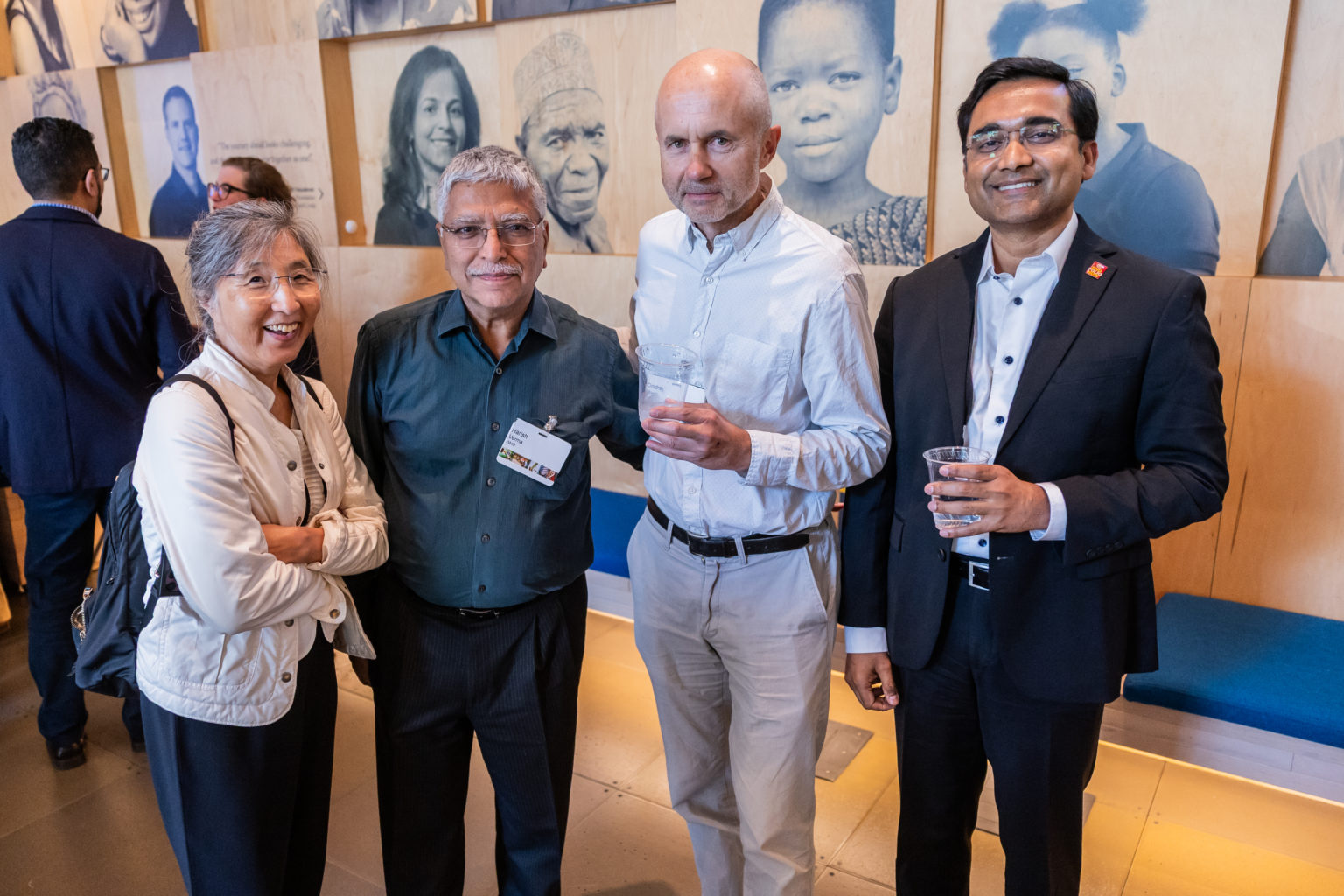
These questions and answers reflect recommendations discussed by the Strategic Advisory Group of Experts on Immunization (SAGE) Polio Session (October 8, 2026) regarding the use of inactivated polio vaccine (IPV) in both routine immunization and outbreak response, in light of evolving polio epidemiology. Dr. Mach and Dr. Bandyopadhyay are the co-chairs of GPEI’s Polio Research and Analytics Group (PRAG). They led the process of synthesis and presentation of scientific evidence and epidemiologic context that informed the latest recommendations at the October 2026 SAGE meeting.
Q: What are the two main recommendations made by SAGE in their October 2026 meeting?
Ondrej:
“The recent recommendations from the Strategic Advisory Group of Experts on Immunization (SAGE) are that:
Q: What does the evidence show about current immunity levels?
Ananda: “IPV is the only vaccine currently available that provides protection against all three serotypes of poliovirus, and the only routine source of protection against type 2 poliovirus. Type 2 poliovirus is the most prevalent form in circulation today for the variant poliovirus outbreaks and is a useful proxy for the other serotypes. Modelling estimates by researchers at Imperial College, and other collaborators indicate median type 2 immunity among children under five was about 60% in 2025, rising to only ~70% by 2031 even under the current two-dose IPV schedule — below the roughly 80% threshold generally needed to sustain protection against transmission.”
Q: Would a third IPV dose make a meaningful difference?
Ondrej: “Yes. Our estimates suggest switching to a three-dose (one each at 6-10-14 weeks-of-age) increases IPV-derived immunity by a median of 18 percentage points (up to 46 in some countries). Countries on a schedule that gives children doses at six, ten and 14-weeks of age see end-of-series immunity rise to ~99% (from ~78%). Countries on the 14-39 week schedule reach that same high protection about six months earlier. Coverage also tends to improve, since later doses often see more dropouts, and a third dose gives young children who didn’t seroconvert earlier another chance to build protection. Impact may vary by country, with the largest gains projected in high-risk settings such as Nigeria, DRC, Pakistan, and Chad.”