
Noncommunicable diseases (NCDs) are the leading causes of mortality and morbidity among Palestinians, accounting for 71.8% of all deaths in 2023. Following the initial STEPS survey conducted in 2010/2011 and in accordance with WHO recommendations, a second STEPS survey was carried out for the occupied Palestinian territory (oPt) between August and October 2022.
The target population for the survey included all Palestinian individuals between 18 and 69 years of age residing in the West Bank and Gaza. A three-stage stratified cluster sampling method was used to randomly select a sample of 5,775 adults from 525 enumeration areas, comprising 3,135 individuals from the West Bank and 2,640 from the Gaza Strip. Of the target sample, 5503 adults participated in the survey.
The prevalence of smoking, obesity, and insufficient physical activity among Palestinians was notably high, with rates of 33.5%, 31.6%, and 21.1%. The prevalence of smoking among men in the West Bank was alarmingly high and was the highest in the world. In terms of diet, 84.3% of the participants reported an insufficient intake of fruits and vegetables, and 26.5% always or often added salt to their food before eating. Among the Palestinian population aged 18–69 years, 7.6% had raised fasting blood glucose (≥ 126 mg/dl) or were currently on medication for raised blood glucose; and 17.1% of adults between the ages of 40–69 years had a 10-year cardiovascular disease risk (CVD) risk ≥ 20% or had existing CVD. More than 55% of men and women aged 45–69 had three or more risk factors for NCDs.
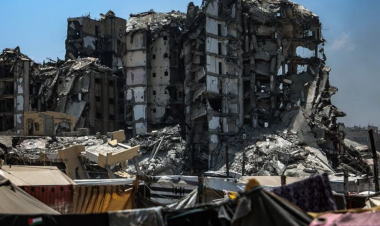
The prevalence of risk factors for NCDs was notably high in oPt. These results underscore the urgent need for interventions to reduce the imminent burden of NCDs within this vulnerable population. The worsening crisis in Gaza demands immediate action. Unified and decisive global efforts are essential to halt the war in Gaza, secure a permanent ceasefire, and ensure access to humanitarian aid. While rebuilding the healthcare system will be a long-term undertaking, empowering local professionals, investing in essential infrastructure, and providing sustained support can offer renewed hope to patients with NCDs.