For a health facility in northern Togo, effective analysis and use of routine surveillance data can mean the difference between identifying a rise in malaria cases early or only recognizing it once wards are full and children present with severe disease. For malaria programmes across Africa, the ability of health workers to understand and act on data directly shapes who receives timely care.
Yet across malaria programmes in the region, health workers are increasingly expected to analyse trends and guide responses using routine data, often with limited access to advanced, practice-oriented training that reflects their language, context and analytical needs. When learning is not accessible or contextualised, data may be collected but not fully used for decision-making.
To address this, the World Health Organization (WHO) developed the Malaria: Harnessing the power of routine health facility data course, and made it available in English, French, Spanish and Portuguese on the WHO Academy online learning platform as part of a blended learning programme. Led by Dr Deepa Pindolia, the course was designed from the outset with localization as a core principle, recognizing that data analysis is already complex, and learning it in a second or third language is not effective.
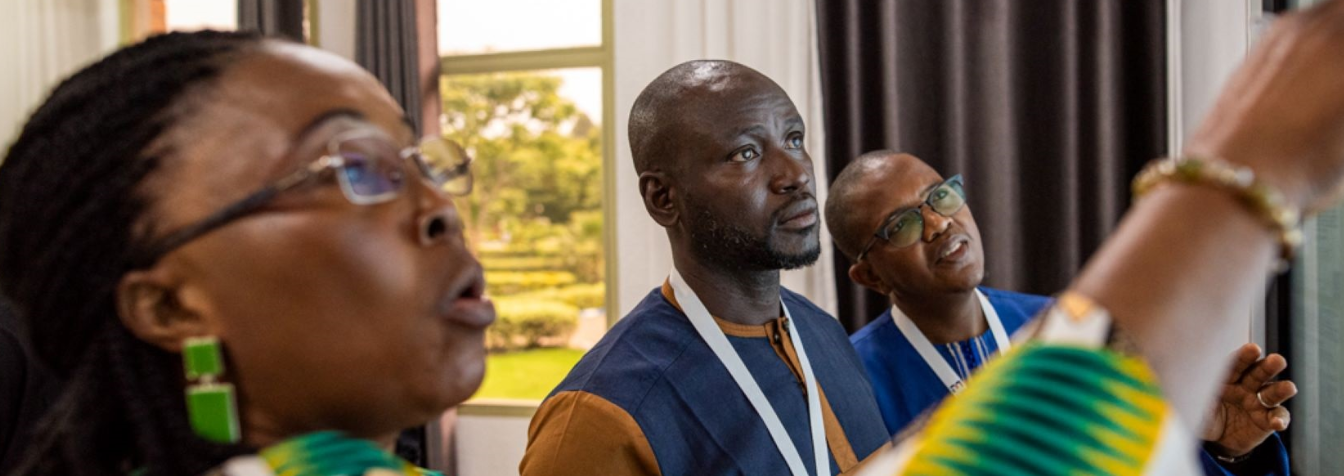
For Dr Atekpe Payakissim Somiabalo, National Malaria Control Programme (NMCP) Coordinator in Togo, providing the training in French was critical. “The main priority is training operational staff in a language they know so that everyone understands the importance of the data collected for decisionmaking.” According to the NMCP, malaria remains the leading cause of illness in Togo, accounting for 30% of outpatient consultations, 9% of hospitalizations, more than 2.18 million cases and 993 deaths in 2024.