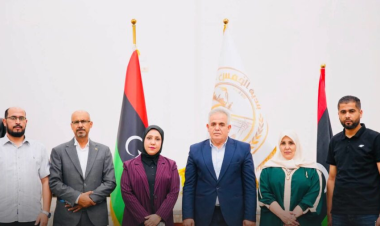
The World Health Organization (WHO), in collaboration with Libya’s National Centre for Disease Control (NCDC), conducted a six-day assessment mission from 25-30 July 2026 to review the country’s public health laboratory system, identify priority gaps and develop recommendations to strengthen laboratory services in support of health security, disease surveillance and emergency preparedness.
Strong public health laboratories are essential for detecting and responding to disease outbreaks and other public health threats. The assessment forms part of WHO’s ongoing support to strengthen Libya’s health system and implementation of the International Health Regulations (2005).
The assessment team included experts from two programs of the WHO Regional Office for the Eastern Mediterranean: the Polio Eradication and Vaccine-Preventable Diseases Programme and the Integrated Disease Surveillance and Laboratories Programme. They were joined by colleagues from the WHO Country Office in Libya and NCDC. Throughout the mission, the team worked closely with laboratory specialists, program managers and technical counterparts to conduct a comprehensive review of Libya’s public health laboratory network.
Using WHO’s standardized laboratory assessment tools, the mission reviewed key components of the public health laboratory system, including governance, quality management, diagnostic capacity, biosafety and biosecurity, workforce and infrastructure, and laboratory information systems.
The assessment also examined laboratory capacities supporting the surveillance of priority infectious diseases, antimicrobial resistance and zoonotic diseases, with a focus on generating quality-assured, reliable and timely data to inform public health decision-making.
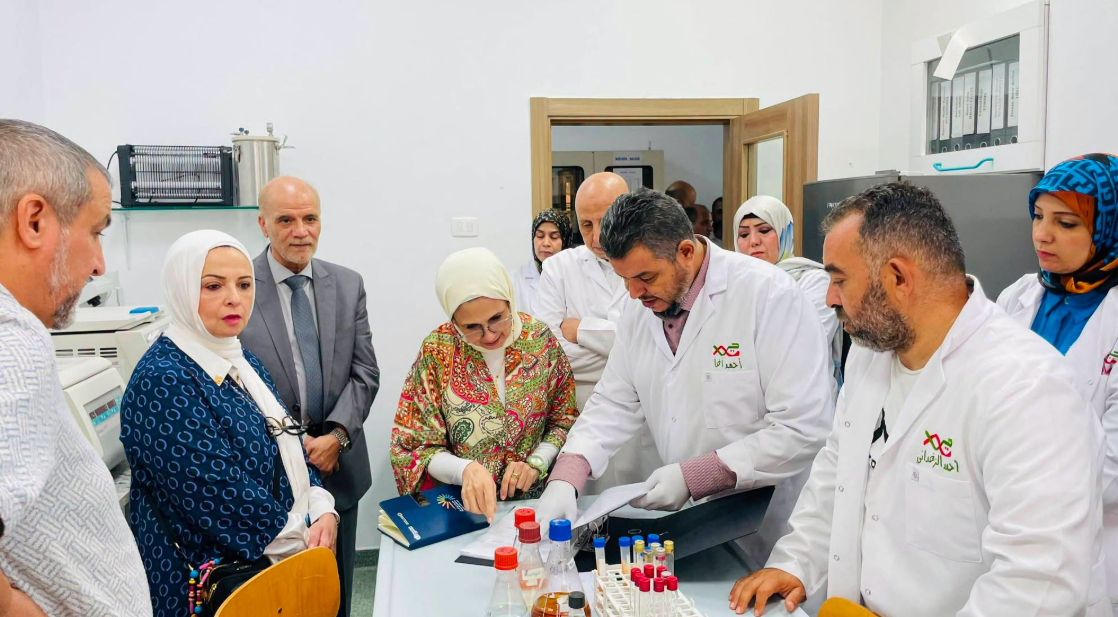
As part of the mission, the assessment team visited key public health reference laboratories within the NCDC, as well as Tripoli University Hospital and the Libyan Center for Biotechnology Research.
During these visits, the team observed laboratory operations, reviewed technical procedures and engaged with laboratory personnel to better understand operational strengths and challenges. The visits provided valuable opportunities to exchange technical expertise, discuss good practices and identify practical actions to improve laboratory performance and sustainability.