International sanctions were reimposed on Iran to influence its leadership. They were leveled to curb Iran's nuclear program but have caused medical shortages that hit the country's most vulnerable citizens hardest.
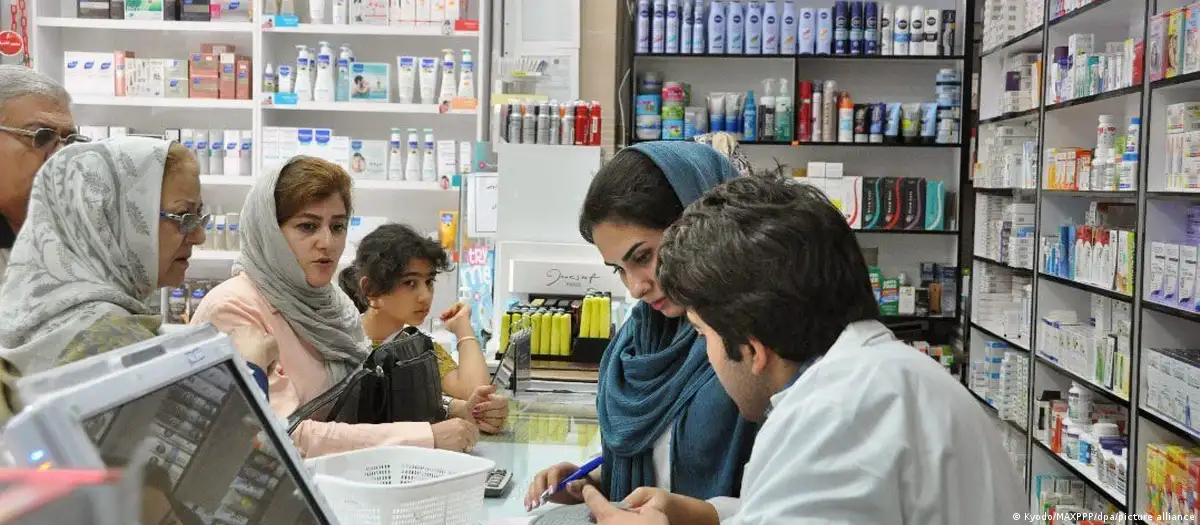
"Many life-saving drugs are no longer available," said an Iranian pharmacist who wished to remain anonymous, adding that the country's supply crisis has worsened dramatically in recent months.
Although the Iranian Food and Drug Administration produces more than 90% of the country's medicines on its own, it faces raw materials shortages because of import bans. Iran has also been unable to purchase special medicines — like those required by cancer patients — since snapback sanctions were triggered in September.
At the time, Mohammad Jamalian, a member of the Iranian parliament's health committee, told the Iranian news agency ILNA: "Many people stop treatment because they can't afford it. That is a big problem. Because serious health complications loom without medication."
The activation of the so-called snapback mechanism and the resulting reimposition of all previous UN sanctions was a move brought by France, Germany and the UK — signatories to the 2015 Joint Comprehensive Plan of Action (JCPOA) or Iran nuclear deal — to put pressure on authoritarians in Tehran to change course on their nuclear program.
In practice, however, sanctions tend to hurt the general population rather than political elites.