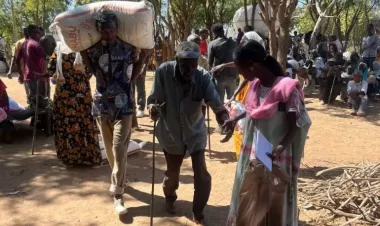
Conflict and displacement can disrupt financial well-being, relationships, sense of opportunity and connection, the ability to meet basic needs, and much more. Sexism, racism, other forms of oppression and marginalization, and constant toxic stress also degrade numerous areas of a person’s life and are often made worse during conflict and displacement. All these factors can negatively impact individual, community, and societal safety and well-being and therefore require interventions at multiple levels to fully address. Everyone who works with people who have experienced forced displacement can contribute to an increased sense of safety and well-being.
How an individual or agency does this will vary by their scope, role, education, skills and training. The Inter-Agency Standing Committee’s MHPSS Intervention Framework can be helpful for individuals and agencies to determine how they can best contribute. In this document, you will find an overview of MHPSS foundational concepts, a description of the MHPSS intervention pyramid, and suggested best practices and communication tips for providing MHPSS services to individuals, families and children who have experienced forced displacement.