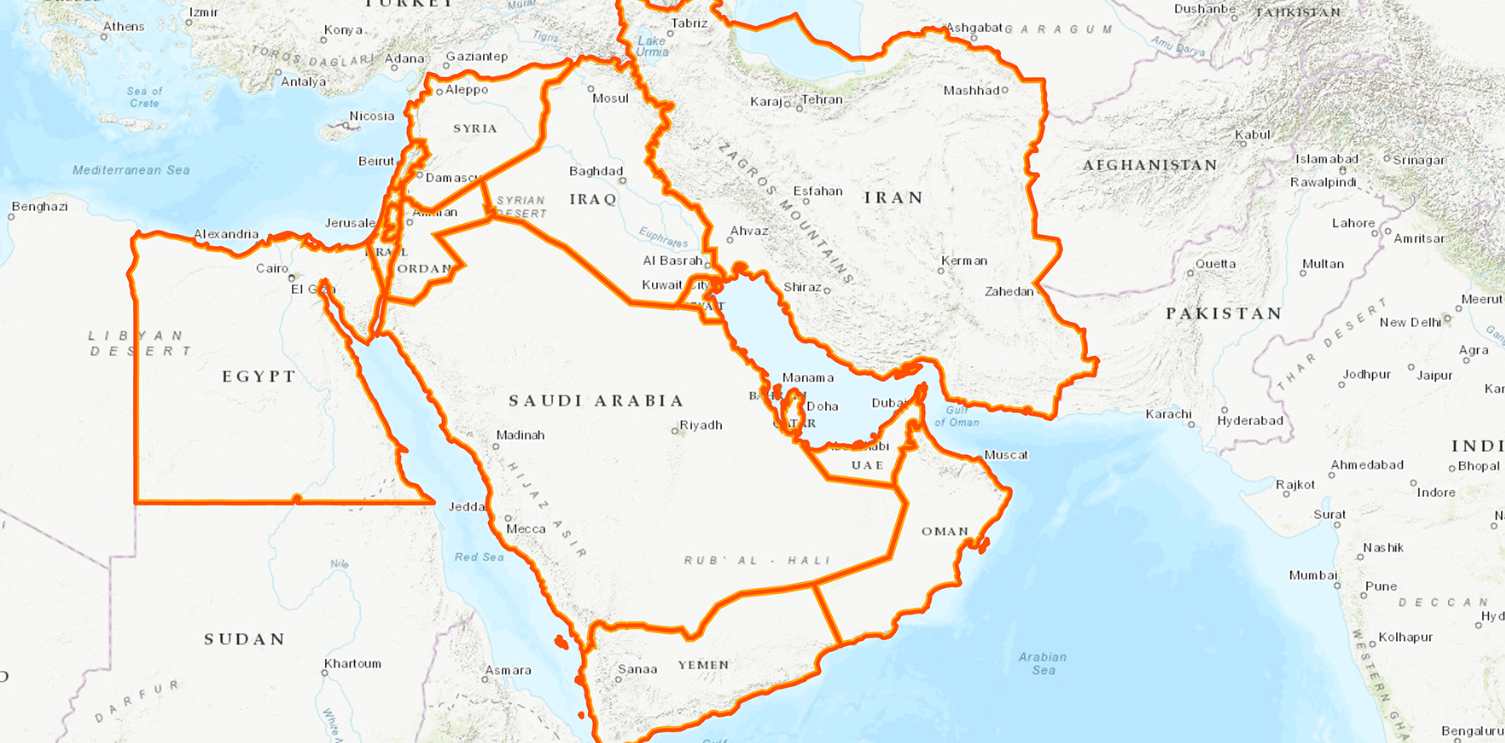
Over the past year, Direct Relief has delivered more than $100 million in medical aid and grants to healthcare partners across the Middle East and neighboring countries, supporting hospitals and clinics throughout the region.
Escalating hostilities are now placing additional pressure on health systems and disrupting the transportation routes used to move humanitarian supplies.
The conflict began on February 28, 2026, with coordinated military strikes inside Iran and has since expanded, with missile and drone attacks affecting multiple countries.
As violence continues and populations move, hospitals and clinics in affected areas are reporting growing patient demand. At the same time, fuel shortages, damaged infrastructure, and constrained supply chains are limiting their ability to provide care.
Direct Relief is coordinating with medical partners and international agencies to understand emerging health needs and assess how evolving conditions may affect medical aid delivery.
Armed conflict places simultaneous stress on healthcare delivery. Demand also rises as people are injured, displaced, or unable to access routine care. At the same time, the capacity to provide treatment can decline when hospitals are damaged, and medical supply routes are interrupted.
Hospitals and clinics in several affected areas report:
Mass displacement can intensify these pressures as health facilities can experience sudden increases in patient demand.
Airspace restrictions and flight cancellations are delaying cargo routes widely used for humanitarian shipments, while several transit hubs frequently used for pharmaceutical logistics are experiencing operational disruptions.
Maritime tensions are also affecting shipping traffic through the Strait of Hormuz, one of the world’s most important shipping corridors.
When transportation routes become unstable, humanitarian shipments often need to be reassessed or rerouted to ensure medicines remain safe, traceable, and compliant with international regulatory requirements.
If disruptions continue, supply constraints could affect countries beyond the conflict zone, including humanitarian programs in neighboring areas.