As UNAIDS marks its 30th year, UNAIDS has today launched a new report warning that although the world has moved closer towards controlling the HIV epidemic, cuts and shifts in international HIV financing and anti-rights and anti-gender campaigns are creating a global crisis that threatens to reverse one of the greatest public health achievements in history.
HIV, which was once a death sentence, has become a manageable health condition for millions of people thanks to life-saving HIV medicines. Some 32.1 million of the 40 million people living with HIV are now on treatment. In addition, a twice-yearly injection, lenacapavir, and other new long-acting prevention innovations in the pipeline, offer the prospect of protecting millions more people from acquiring HIV.
However, new UNAIDS analysis shows that HIV resources available in low- and middle-income countries fell by more than US$ 1 billion in 2025, leaving a US$ 4.3 billion gap between available resources and what is needed annually to stay on track to end AIDS as a public health threat by 2030.
Prevention programmes among the hardest hit
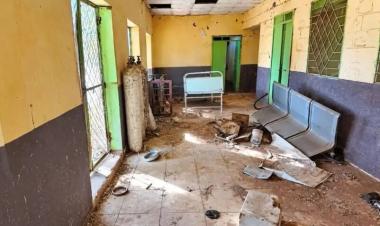
The report shows that HIV prevention programmes are being shuttered, community-led services are closing, health systems are losing staff and many countries facing severe fiscal pressures cannot absorb the scale of the funding shortfalls on their own.
"The world is sleepwalking into a preventable crisis," said Winnie Byanyima, Executive Director of UNAIDS. "We know what happens when HIV prevention collapses. People become infected, treatment needs rise, costs soar and lives are lost. Every clinic that closes, every outreach worker who loses their job and every young woman turned away from prevention services today risks becoming a new HIV infection tomorrow."