
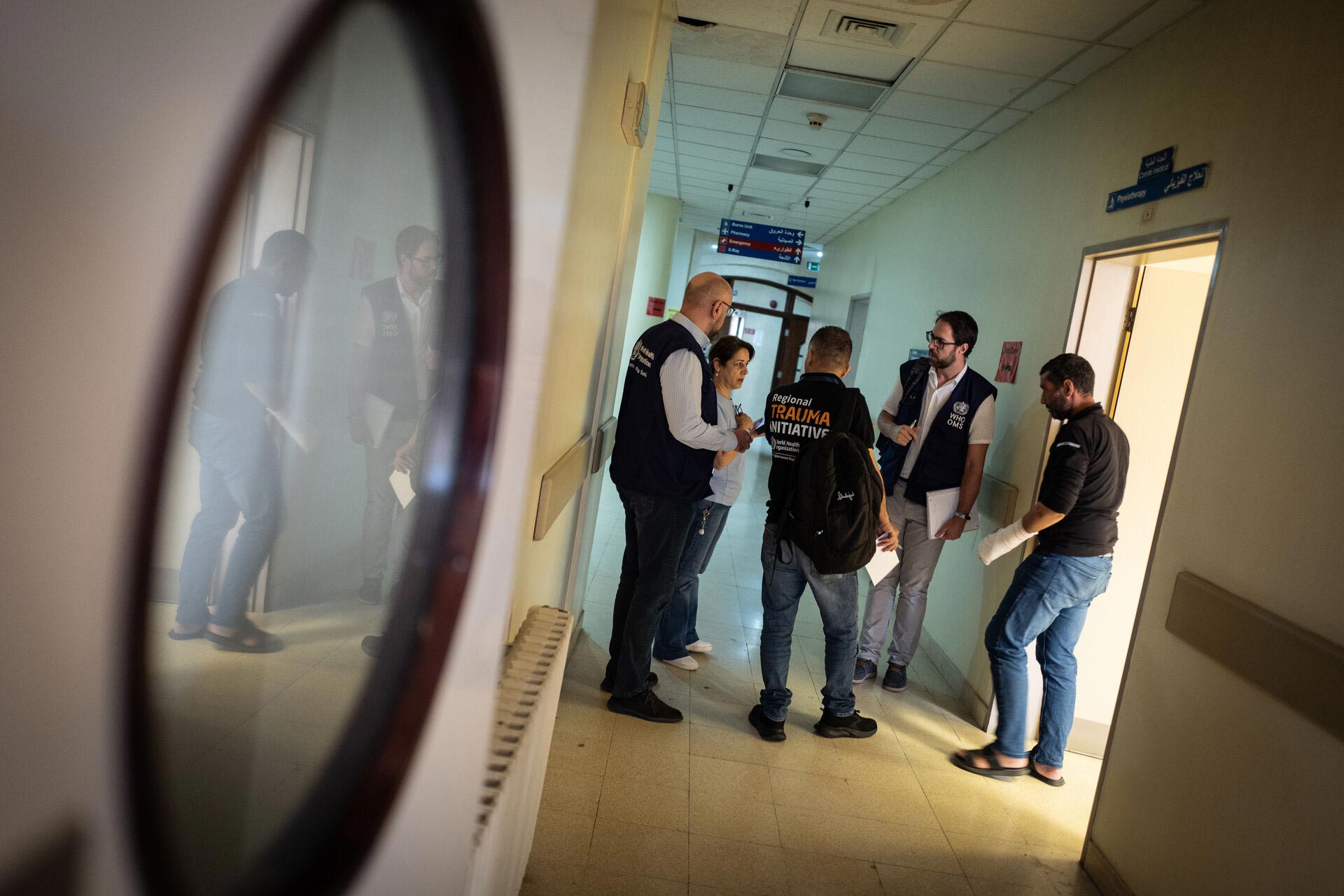
he WHO Regional Office for the Eastern Mediterranean has concluded a 3-day intensive workshop in Cairo, aimed at building national emergency medical teams (EMTs).
EMTs are groups of health professionals, including doctors, nurses and paramedics, deployed to provide immediate medical care in emergencies.
The workshop focused on enhancing the integration of EMTs within national health care and preparedness systems, bringing together 30 participants from the health, humanitarian, academic and civil society sectors to support the development of national EMT roadmaps aligned with the Emergency Medical Team 2030 Strategy (EMT 2030) and regional action plan.
The Eastern Mediterranean Region continues to face some of the world's most complex emergencies, including conflicts, disease outbreaks, natural disasters, climate-related events and population displacement.
Nine of the Region’s 22 countries and territories are fragile or conflict affected, and 117 million people will require humanitarian aid and urgent health assistance in 2026. Currently, WHO is responding to 14 active emergencies, including conflict and disease outbreaks.
As challenges intensify, countries across the Region are increasingly investing in EMTs to strengthen rapid surge capacity and ensure rapid, high-quality emergency response.