The Africa Centres for Disease Control and Prevention (Africa CDC) and the International Organization for Migration (IOM) have signed a new Cooperative Agreement to strengthen Africa’s capacity to prevent, detect and respond to public health threats across the continent.
The agreement sets out how the two organizations will work together from 2026 to 2028, combining Africa CDC’s leadership in public health and IOM’s global operational expertise in supporting the health of migrants, displaced people and mobile populations. Together, they will support African Union Member States to strengthen preparedness, improve disease surveillance, expand equitable access to health services and build stronger public health systems.
The partnership comes at a time when disease outbreaks, climate-related health risks and population movements increasingly shape Africa’s public health landscape. Stronger cross-border collaboration will help countries detect threats earlier, coordinate responses more effectively and protect communities wherever they live or move.
“Health threats move across borders. Africa’s response must move together,” said H.E. Dr Jean Kaseya, Director General of Africa CDC. “This partnership strengthens our collective ability to anticipate risks, coordinate action and support Member States with stronger surveillance, preparedness and emergency response. It advances Africa’s Health Security and Sovereignty Agenda through practical cooperation that protects lives and strengthens public health systems across the continent.”
The Cooperative Agreement builds on collaboration between Africa CDC and IOM that began during the COVID-19 pandemic and expands cooperation across several strategic priorities.
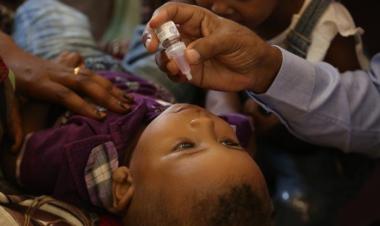
Africa CDC and IOM will work together to strengthen preparedness and emergency response while ensuring that migrants, displaced and mobile populations are not left behind. The partnership will improve disease surveillance, strengthen health measures at Points of Entries (PoEs) and support early warning systems, allowing countries to detect health threats earlier, share information more quickly and coordinate across borders.